
Choosing guttering
Choosing a guttering system: uPVC, aluminium, cast iron and profiles
Gutters look like a simple choice of colour and shape, but the material, the profile, the fall and the fixings all decide how well the system carries rain away from the walls.
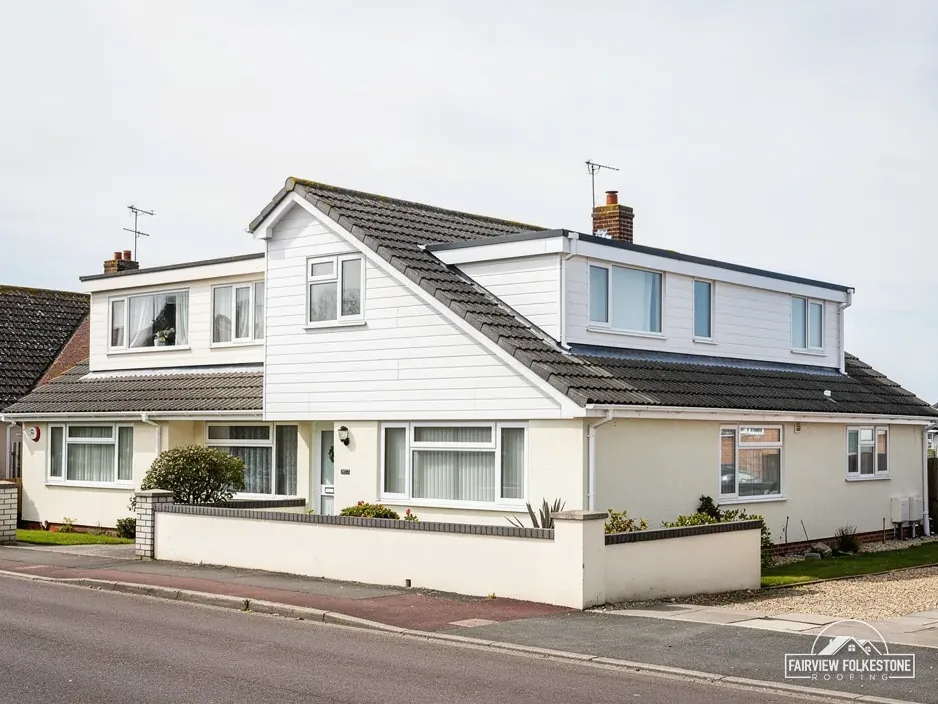
A gutter system has one job: to catch the rain running off the roof and carry it to a drain before it reaches the brickwork, the fascia board or the ground beside the house. When it works nobody notices. When it does not, the signs are damp patches under the eaves, green streaks down the wall and a waterfall at the corner of the house in a storm.
Replacing guttering is a chance to choose again, and the choice is wider than it looks. The common materials are uPVC, aluminium and cast iron, each with its own look and upkeep, and the profile of the gutter, from half-round to square to ogee, changes both the appearance and the way the system is fixed.
This post walks through the materials, the profiles, the fall that makes a gutter drain, what published cost figures say, and the upkeep that keeps a system working. A fascia and soffit choice often goes hand in hand with it, so the post flags where the two meet.
01Gutters
What a gutter system is made of
Before comparing materials, it helps to know the parts, because a problem with any one of them looks like a problem with the whole system.
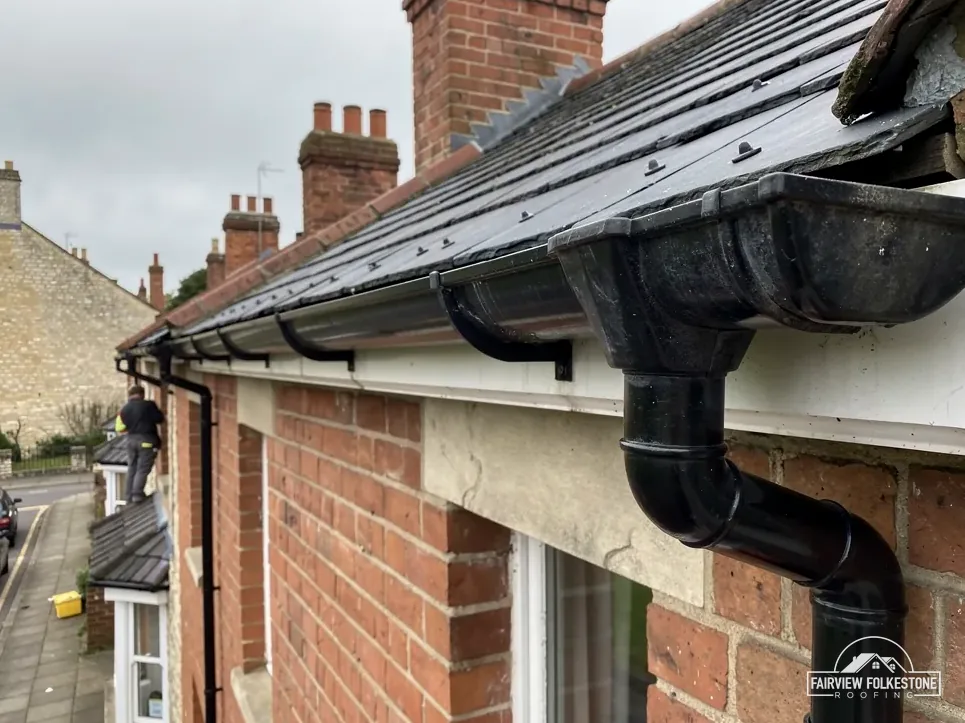
- The gutter itself, the channel that catches the water along the eaves.
- Brackets, which hold the gutter to the fascia or the rafters at intervals along its length.
- Joints, where lengths of gutter meet, which are sealed or fitted with a joint piece.
- Outlets, where the water drops from the gutter into a downpipe.
- Downpipes, which carry water to a drain or a soakaway.
- Stop ends, corners and other fittings that finish the run.
Joints, outlets and brackets are the points to check first, because a failed seal or a bracket that has moved shows up as a drip or a stain. A fall that is wrong, or brackets that have slipped, leaves water standing in the channel, and standing water is what rots timber behind it and marks the wall below.
Brett Martin, a gutter manufacturer, gives its installation advice as a fall of 1 mm for every 600 mm, running towards the outlet. That is a gentle slope, which is why a gutter that has sagged between brackets can hold water even though it looked level when new. It is also why a good installer sets the run out with a line and checks it again once the brackets are fixed, rather than trusting the eye.
Our answer on repairing cast iron gutters picks up one common older system in more detail.
02Side by side
uPVC gutters: what to weigh up
uPVC, a rigid plastic, is the material most households picture when they think of guttering. It is light, it does not need painting and it comes in white, black, brown and grey, with a matching set of fittings for corners, outlets and joints.
On lifespan, one retailer says that correctly installed uPVC roofline products can typically keep performing reliably for 20 to 40 years. That is a seller's figure, not an independent one, so read it as a statement about what the product is designed to do. Sun, knocks from ladders and sagging brackets all affect how long a real system lasts.
On cost, MyJobQuote says the average gutter replacement cost in the UK is around £1,000 to £1,600. That is an average for a whole house, with no VAT basis stated, and it is the surrounding range for the plastic option rather than a price for your roof.
uPVC is a sensible choice where the existing gutter is plastic and the fascia is sound. Where the fascia behind it has rotted, the gutter cannot be fixed firmly, and the fascia is the thing to deal with first, since a new gutter hung on soft timber will sag again.
| Point | What it means |
|---|---|
| Weight | Light enough to fix without heavy brackets |
| Finish | Colour runs right through; no repainting |
| Fittings | Push-fit joints and seals that can be replaced |
| Look | Plain; some profiles suit period houses better than others |
Guttering: your questions
Which guttering material lasts longest?
No independent source here ranks them. One retailer says uPVC can typically perform for 20 to 40 years when installed correctly, and metal makers publish figures of their own. Treat each as the seller's claim, and weigh the fascia behind the gutter, the fixings and the upkeep, which affect every material.
03The detail
Aluminium and cast iron
Aluminium and cast iron are the two metal options, and they suit different houses.
Aluminium gutters are made from lightweight metal sections, in a range of colours, and they are often fitted as a long, continuous run. The term you will hear is seamless gutters, which means the gutter is formed to the length of the run on site, so there are fewer joints to leak. They are a good fit where a clean line matters and the budget allows. No independent lifespan for aluminium is sourced here, so treat any number you are shown as the maker's own claim and ask what it covers.
Cast iron is the traditional material on older houses, and it still has a place. It is heavy, it is painted rather than coloured through, and it is kept going by replacing sections and re-sealing joints rather than by replacing the lot. Altering a listed house in a way that touches its architectural or historic character calls for listed building consent (LBCA 1990 s7), and old gutters can fall inside that. Check with the council before you change them, and tell any roofer who quotes that the house is listed.
Cast iron can often be repaired rather than replaced, and repair is the right answer when the metal is sound. A cast iron system also carries more weight than plastic, so the fascia or rafter ends it hangs from have to be sound enough to carry it, and the survey looks at that before a material is chosen.
04In figures
Half-round, square and ogee: choosing a profile
The profile is the shape of the channel. It changes the look of the eaves, the way the gutter is fixed and the fittings you can buy to go with it, so it is worth deciding on purpose rather than by default.
What fall should a gutter have?
Brett Martin, a manufacturer, advises 1 mm of fall for every 600 mm, running to the outlet. Gutters that have sagged between brackets can hold water while looking level, so a replacement should be set out with the fall in mind and then tested by running water along it from the far end.
| Profile | Shape | Suits |
|---|---|---|
| Half-round | A shallow curve like half a pipe | Houses with a traditional look |
| Square | A boxed channel with flat sides | Modern or plain elevations |
| Ogee | An S-shaped front face | Houses that want a moulded fascia look |
| Deep-flow | A taller, wider channel | Larger roof areas |
No profile is correct everywhere. A half-round gutter can look wrong on a house with a deep timber fascia, and an ogee on a plain bungalow can look forced. The choice should follow the house and its fascia, and a roofer who has looked at both will tell you which profile sits properly.
Size matters as much as shape. A gutter has to cope with the water from the roof area it serves, and an undersized channel will overflow in heavy rain however well it is laid. Ask a roofer what size is being quoted and why, and whether the downpipes are adequate for the run. A long roof draining to a single downpipe at one end is worth a question, and so is a valley or a roof slope that tips its water into a short length of gutter, where the flow can overshoot the channel.
Fascia and soffit materials interact with this choice, because a gutter bracket needs something sound to fix to. Our post on fascia and soffit materials compares the options behind the gutter.
05In order
Keeping gutters working
Even a good system fails if it is not cleared. Leaves, moss, roof grit and the occasional ball collect in the channel and block the outlet, and a blocked outlet is where an overflow begins.
Which? Trusted Traders price clearing all the gutters, front and back, at £75 to £350 (November 2025, excluding VAT), and Which? says that in the South East its prices are likely to sit near the top of that range. It is a published guide, not our price, and it covers clearing alone.
If you find a nest in a gutter or the eaves, leave it alone while it is in use. A nest in use or being built is covered by the Wildlife and Countryside Act 1981 s1, which punishes anyone who intentionally harms it. Work at that spot waits until the birds have finished, and a roofer should tell you when that is the case.
Gutters at height need safe access, and that is a cost the quote should name. A ladder leaned on a plastic gutter can crack it, and a person on a ladder with a bucket is carrying weight the wrong way. For anything above the ground floor, a tower or scaffold is the sensible route.
- Look at the gutters from the ground in rain, and watch where the water goes.
- Clear leaves and debris from the channel and the outlet, working from a safe platform, not from a ladder leaned against the gutter.
- Run water along the gutter and check that it drains to the outlet without standing.
- Check the joints and brackets for drips, sagging or movement.
- Look at the downpipe and the ground at its foot for a blocked drain.
06Scaffold · Quotes
Scaffold, licences and the quote
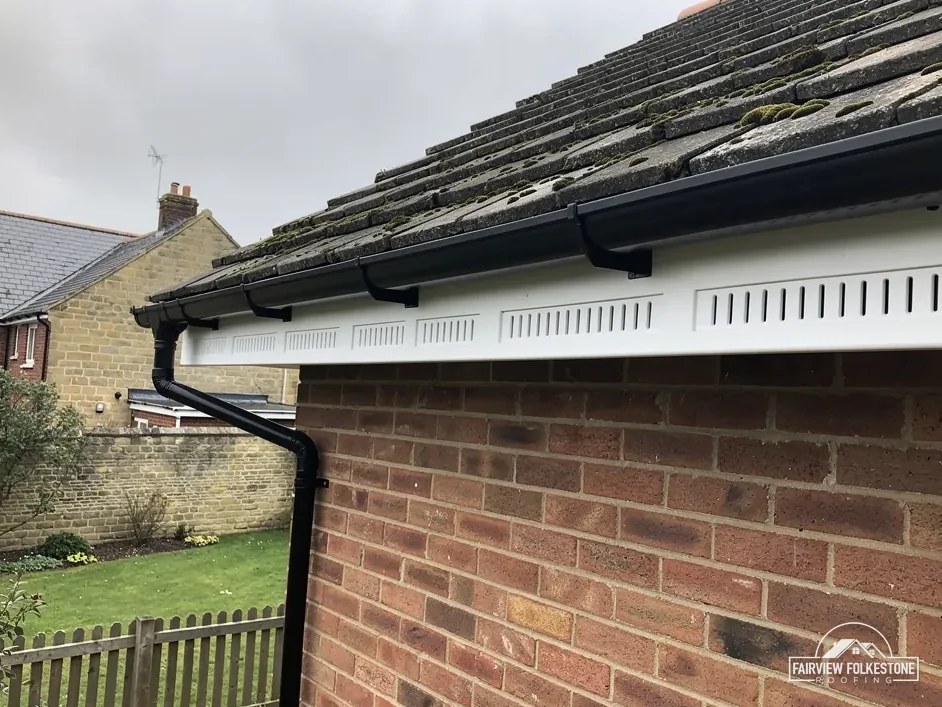
On a two-storey house, replacing gutters means working from a scaffold or a tower. Where scaffold covers part of the road or pavement, the county highway authority licences it under the Highways Act 1980 s169. In Kent that is Kent County Council, at £52 per week for each seven-day permit in 2026 to 2027, and Kent County Council's page says the scaffolding firm should lodge the application. East Sussex Highways lists £127 for 28 days for Rye and Camber addresses, so confirm the figure before booking. We arrange the licence with our scaffolder.
For the money side, MyJobQuote's average for replacing gutters in the UK is around £1,000 to £1,600, as above. What moves a price in practice:
Do I need permission to change the gutters on a listed house?
Possibly. Listed building consent covers work that affects a listed building's character, and the council decides whether like-for-like gutters count. Ask the council before work starts, and tell any roofer who quotes that the house is listed so the material and profile are matched to the original.
- The length of the gutter run and the number of downpipes.
- The material and profile you choose.
- The condition of the fascia behind, since new gutters need something to fix to, and the cost of putting that right.
- How the roof is reached, and whether a scaffold is needed.
Our quote is a single total in writing, given once the roof has been surveyed, and it names the scaffold and VAT position. When fascias are being replaced as well, pricing the two jobs together means the scaffold is only needed once, and the same visit can check the soffit boards and the ventilation behind them. Our answer on what it costs to replace fascias, soffits and guttering goes through the published figures, and the gutters, soffits and fascias page covers the full range of work.
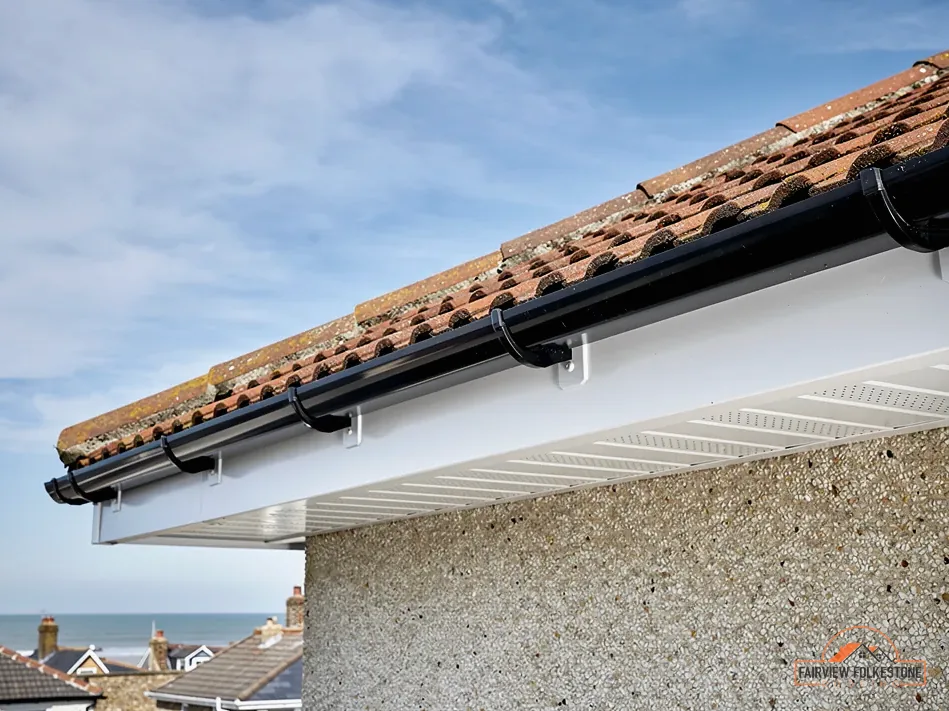

Tell us what's wrong with the roof.
You'll get one written total price.