
Dover · 8.4 road miles north-east
Roofers in Dover
Conservation areas run through the centre, the castle is listed Grade I, and the coastline is 0.2 miles away. We check the address first, then tell you what the roof fairly needs, and why.
- Conservation areas
- Dour Street, Dover Castle, Dover College, London Road, Town Centre, Waterloo Crescent and Western Heights
- Who decides
- Dover District Council, with the Kent Downs National Landscape touching the wider area
- Scaffold on the road
- Kent County Council, £52 a week
- Flood map
- Environment Agency Flood Zone 3 near the town centre
Dover roofs, and the checks that come first
What we found
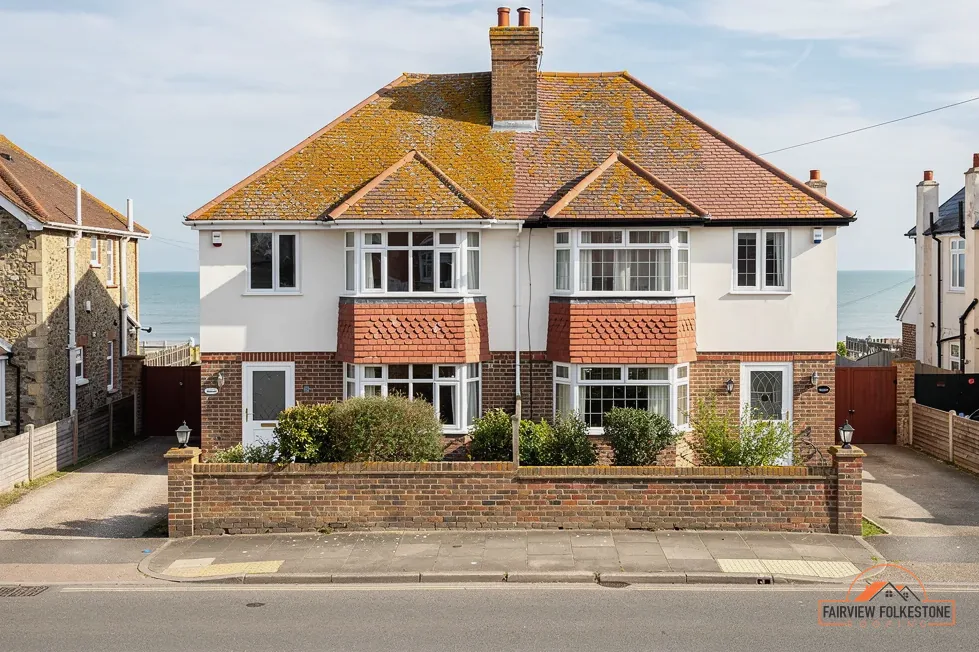
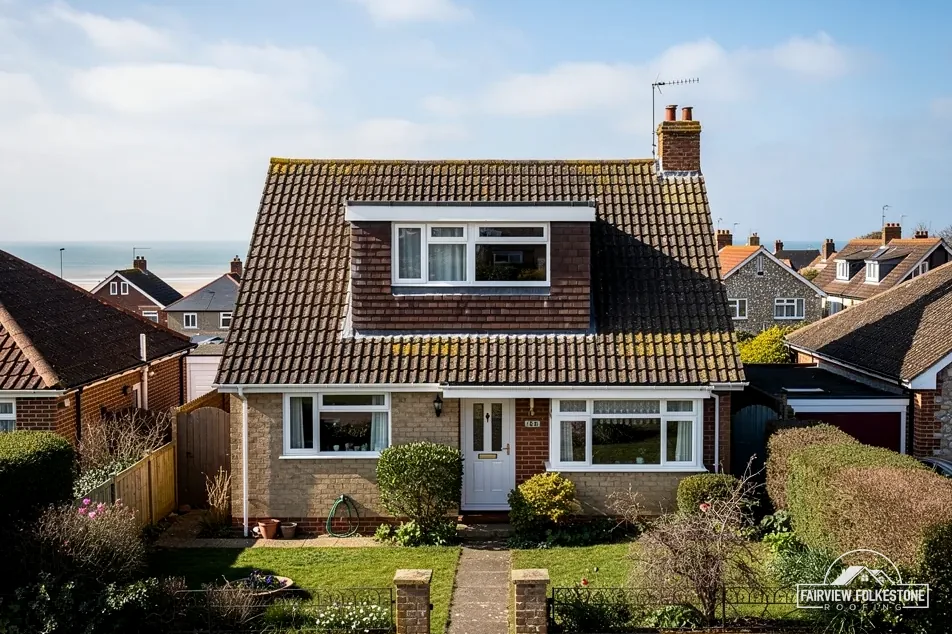
Roof inside one of Dover's conservation areas
What it fairly needs
Check the address with the council before any price.
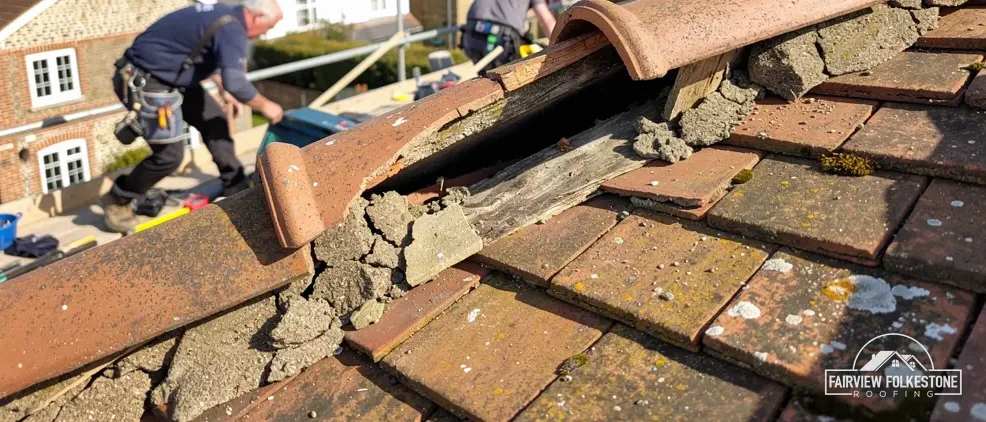
What we found
Ridge bedding cracked and washing out
What it fairly needs
Bed it again with fixings, or dry-fix it.
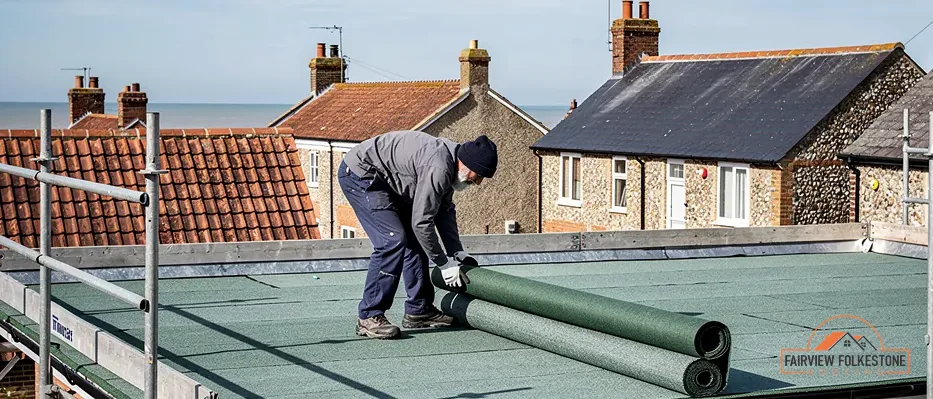
What we found
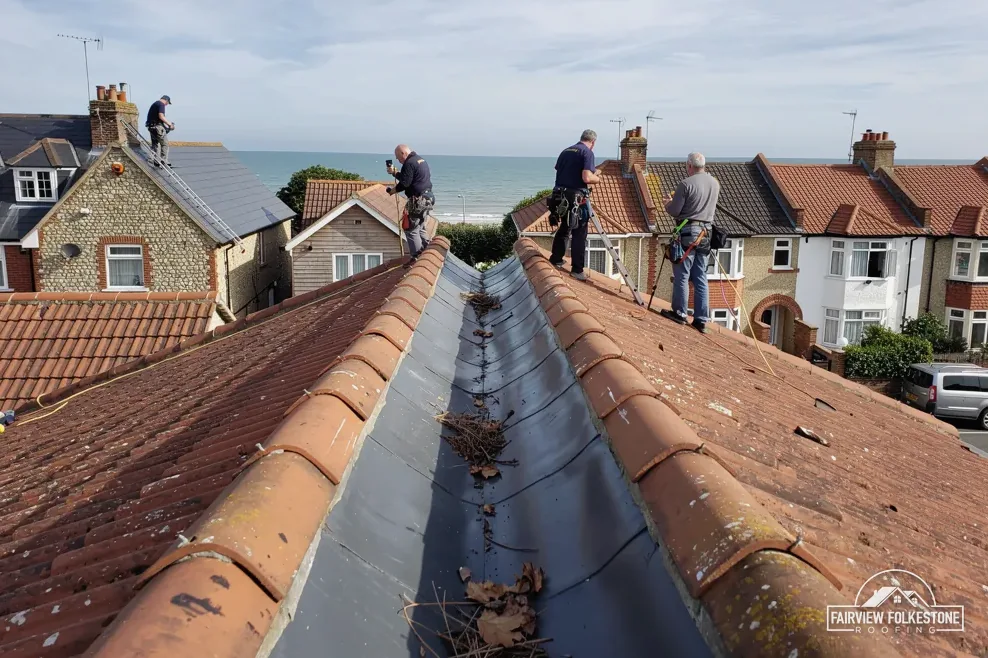
Felt flat roof split and holding a pool
What it fairly needs
A fresh covering over a deck set to a fall.
The fair ledger
Dover's conservation areas, its exposed ridges and its roof lights
Conservation areas cover the streets round the castle and Dour Street, the coastline is 0.2 miles from the centre, and Dover District Council has its own wording on re-roofing. Each of the three entries below ends on its own stamp.
Entry 01Castle and Dour Street
Conservation areas round the castle: the address comes before the roof
Dover District Council publishes a page on its conservation areas, and the streets round the castle, the college and Dour Street fall inside them. Where an address sits changes what we ask before we price.
Which areas touch the centre of Dover
Dover District Council's conservation areas include Dour Street, Dover Castle, Dover College, London Road, Town Centre, Waterloo Crescent and Western Heights, plus an extension to Dour Street. Dover District Council says there are 57 conservation areas in the district as a whole, and its conservation area page is where you confirm whether a particular house is inside one. We read that page before we read your roof, because the answer decides which questions come first.
Ordinary re-roofing is normally permitted development even in a conservation area, but an Article 4 direction can take away rights a house would otherwise have, so ask Dover District Council about yours. The council's page says a direction can reach roof alterations on a dwelling, and that it bites on any side of a home that looks onto a road, a watercourse or open land used by the public. The council decides whether your address is covered, so the answer comes from it. A dormer is a separate planning question, and the planning guide for roof work sets it out.
Does a listed house in Dover need consent for a new roof covering?
Consent is needed for work that alters what makes the building special, while a listed home still keeps its permitted development rights for roof work. Before we quote, we put the address and the plan to Dover District Council, so you hold the council's answer before you agree to anything.
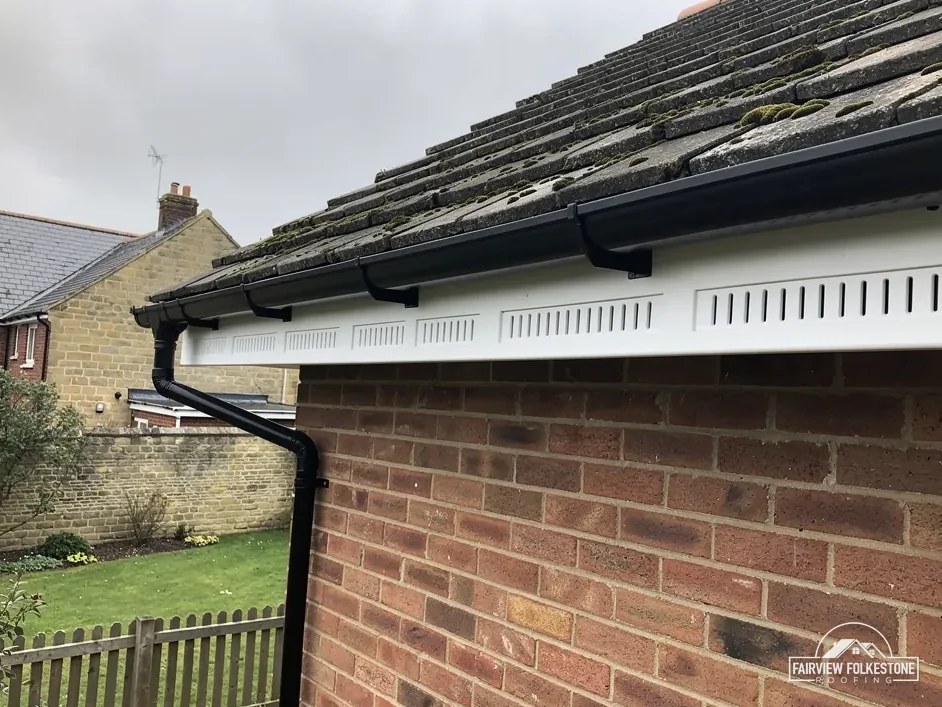
Listed landmarks and a scheduled monument
Dover Castle, the Roman Pharos and the Church of St Mary Sub-Castro are each listed Grade I, and St Martin's Church is a scheduled monument. Carrying out works to a scheduled monument is an offence unless they are authorised under AMAA 1979 section 2, the scheduled monument rule. Those landmarks sit among other listed buildings in the older streets, so a house near the centre may well have an entry of its own.
Work on a listed house that changes its special character needs listed building consent, and a church in use may follow a different route again. We work out which applies, building by building, before a roof is priced. You then see the answer in writing, with the reasons, before you decide anything.
Roof inside a conservation area
Address check first
Slipped tiles, battens still sound
Refix the slipped run
Roof light wanted on a slope
Approval route first
Entry 02Ridges at 0.2 miles
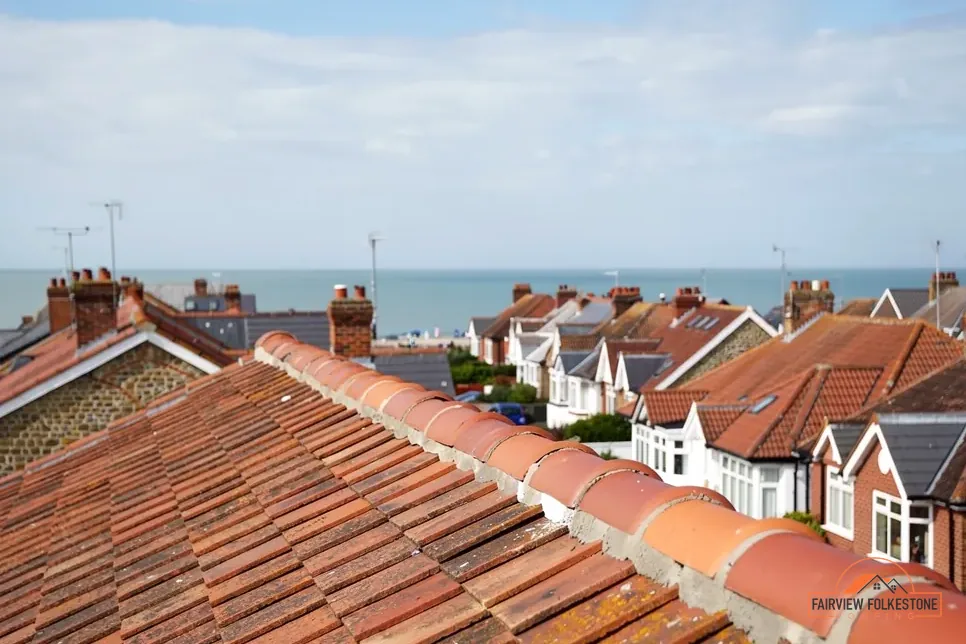
Ridges 0.2 miles from the coastline: bed them again, or dry-fix?
Slate maker Cupa says coastal buildings will be graded with higher exposure, so a ridge in Dover is judged for its own site. The number of fixings comes from a calculation.
How a ridge is judged here
In Cupa's guidance, exposure to wind and rain are the two main environmental factors, and buildings in coastal areas get a higher exposure grade. For slates and tiles, the fixing specification is therefore calculated for the site under BS 5534. Marley lists what the standard covers: which battens to use, how each piece is fixed, how wind uplift is worked out and how the resulting specification is calculated.
Marley is also plain that installing to BS 5534 is not required by law. What its 2015 amendments settled is that mortar alone cannot carry the job of holding a covering down. So where the bedding under a ridge has cracked and is washing out, we offer two sound routes: bed the ridge again with fixings that hold it, or swap it for a dry-fixed ridge. We say which one your roof fairly needs, and why, and the written verdict shows the photographs behind it.
- Ridge tile on the crest
- Mortar bed under it
- Dry-fix fixing holding it down
What the ridge survey records
- Cracked or missing bedding along the run, and any ridge tile that has shifted on it.
- Fixings already in place, and the state of each one.
- The first courses either side, to see whether they are still bedded and held.
- Both ends of the ridge, where it meets the hip or the verge.
- The loft side of the ridge line, for daylight or staining.
Close to the centre of Dover, the Environment Agency maps some land in Flood Zone 3. That is a map of flood risk to land and not a roofing rule, so it changes nothing about how a ridge is fixed. Our pitched roofing service explains how a whole slope is surveyed.
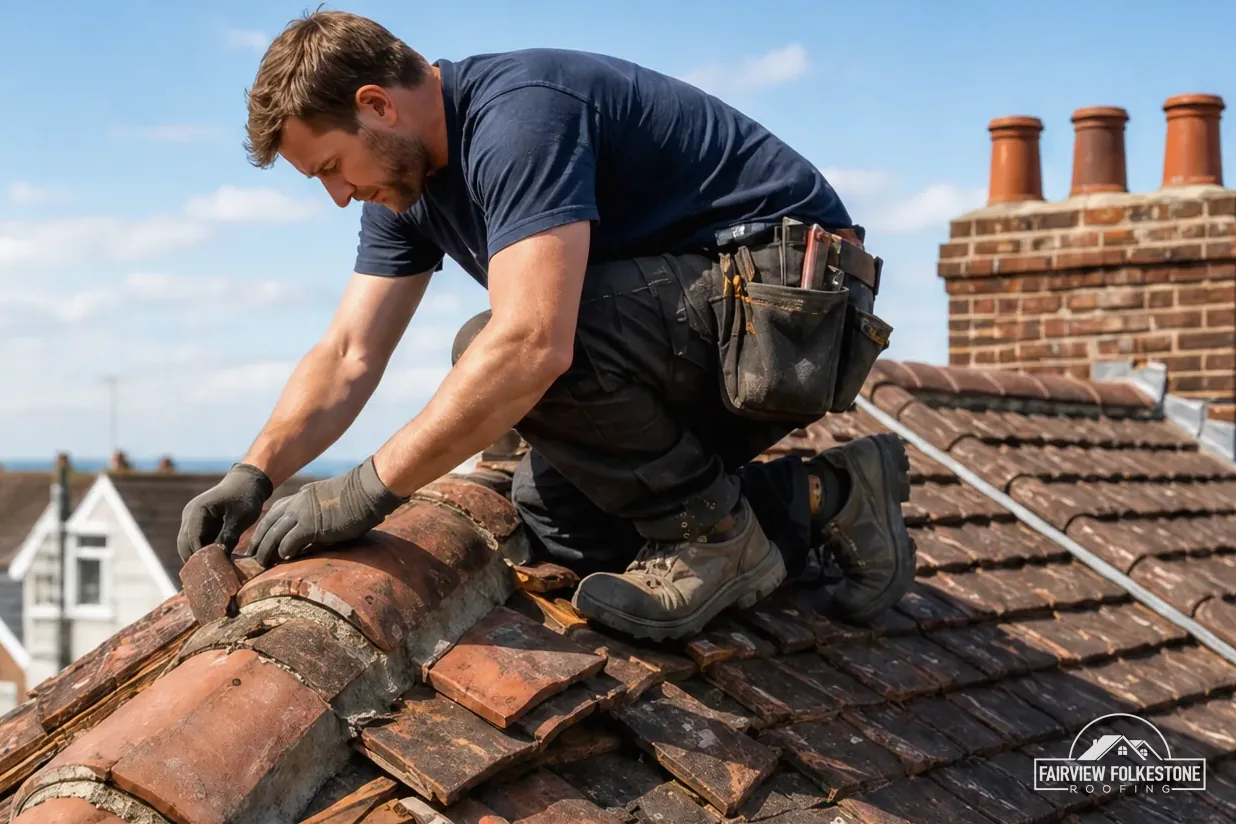
BS 8612
the specification for dry-fixed systems on ridges, hips and verges
current, according to BSI
Where the council's wording bites
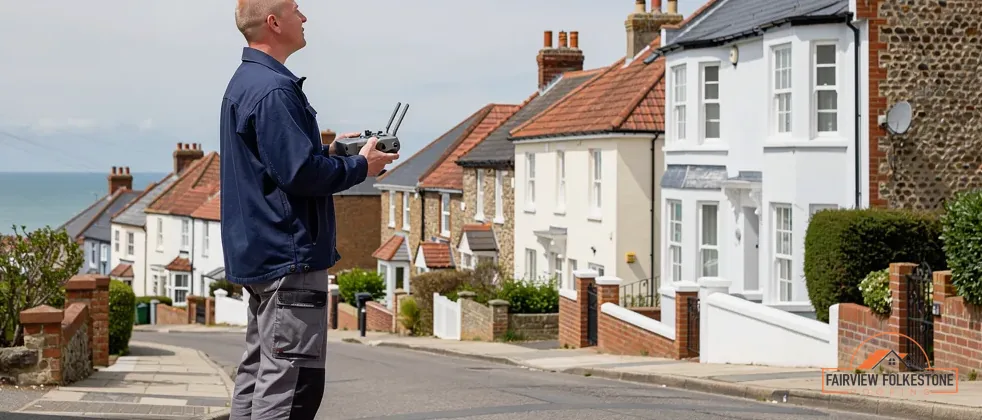
Dover District Council's building control page sets two items side by side: re-covering pitched and flat roofs, even if this is just like for like, and installing roof lights. One call to the council's own building control team settles both before the scaffold goes up, and we make that call before we give you a price. A re-cover that looks routine from the pavement still starts with that conversation, and so does a flat roof over an extension at the back of the house.
That is Dover's wording, and it applies to Dover addresses only. The Planning Portal's guide for re-roofing sets a national test instead. That guide lets a re-roof go ahead without an application when it affects less than 25 per cent of the building envelope and less than 50 per cent of the roof, and asks for approval once a covering is 15 per cent or more heavier. On a Dover roof we work to the council's stricter text and treat the Portal as background.
Entry 03Roof lights
A roof light in Dover: the approval comes before the cut
Dover District Council's building control page puts roof lights among the work that needs approval. Which slope the window sits on can change the planning answer too, and the guide sets that out.
Myth: A like-for-like re-cover never needs approval in Dover.
Fact: Dover District Council's list names re-covering pitched and flat roofs, even like for like.
What sets the price
- How many roof lights, and where
- How we reach the slope
- How much of the roof is re-covered
- What the council's route asks for
One written total price
What a roof light job involves
Cutting into a slope means opening the covering, trimming the rafters, fitting the new window and making the flashing weathertight, then closing the covering up again around it. We note the slope, the rafter spacing and the state of the underlay before the quote, because those decide how much of the roof is touched. We also look at whether the opening can sit between existing rafters, since cutting fewer of them keeps the job smaller and the price fairer. A roof light that sits beside a chimney or a valley needs its flashing planned with that detail in mind, so we look at both on the same visit.
Our roof window and skylight service covers the fitting, and our roof replacement service covers a full re-cover.
Dover, 8.4 road miles up the coast
From Folkestone, Dover is 8.4 road miles off to the north-east, and the drive takes about 15 minutes. At the 2021 Census Dover parish had 31,970 usual residents. A photograph from your phone is a good place to begin. The survey follows once we have seen what the roof is doing. The one written total price comes after it. If the roof is a flat one over an extension, a photograph of the covering and of any pooling is the most useful thing to send.
Dover roof questions, answered with the council's wording
Does re-covering a Dover roof like for like need approval?
Dover District Council's building control page lists re-covering pitched and flat roofs, even if this is just like for like, as work calling for approval, with installing roof lights on the same list. We confirm the route with the council's team before we price a re-roof. The Planning Portal's under 25 per cent of the building envelope test is the national guide and not Dover's rule, so a Dover roof is never judged on that test alone.
Which conservation areas sit near the middle of Dover?
Dover District Council's list includes Dour Street, Dover Castle, Dover College, London Road, Town Centre, Waterloo Crescent and Western Heights, with an extension to Dour Street. Its conservation area page is where to confirm a house. An Article 4 direction can take away rights a house would otherwise have, so ask Dover District Council before any roof work is planned, and tell us what it says.
Who licenses a scaffold on a Dover street?
Kent County Council is the highways authority, not the district council. Kent County Council's householder guidance names the company putting up the scaffolding as the one to submit the application, and Kent County Council charges £52 per week for 2026 to 2027, for a permit covering 7 calendar days. We arrange it with our scaffolder. A scaffold set up wholly on your own drive is outside the licence, and the survey tells us which case applies.
Does the coast change how a roof in Dover is fixed?
The coastline is 0.2 miles from the centre of Dover, and Cupa, the slate maker, reports a higher exposure grade for buildings in coastal areas. The fixing specification for slates or tiles is calculated for your address under BS 5534, so how many fixings are used, and where, comes out of a calculation and not custom. A ridge is checked for bedding that has failed, and the written verdict names what we found. If a repair is sound, we leave the rest of the roof alone.
Do Dover's listed landmarks change a roof job on my house?
Dover Castle, the Roman Pharos and the Church of St Mary Sub-Castro are Grade I, but your own house has its own entry on the National Heritage List, or none. Where it is listed, work changing its special character needs consent, while its permitted development rights for roof work stay in place. We look the address up before any work is priced, and you see what we found. Should that answer alter the plan, the written price is drawn up to match.
A Dover roof that needs a verdict?
You'll get one written total price.