
Wildlife in the eaves
Bats or nesting birds in your soffits: what the law allows
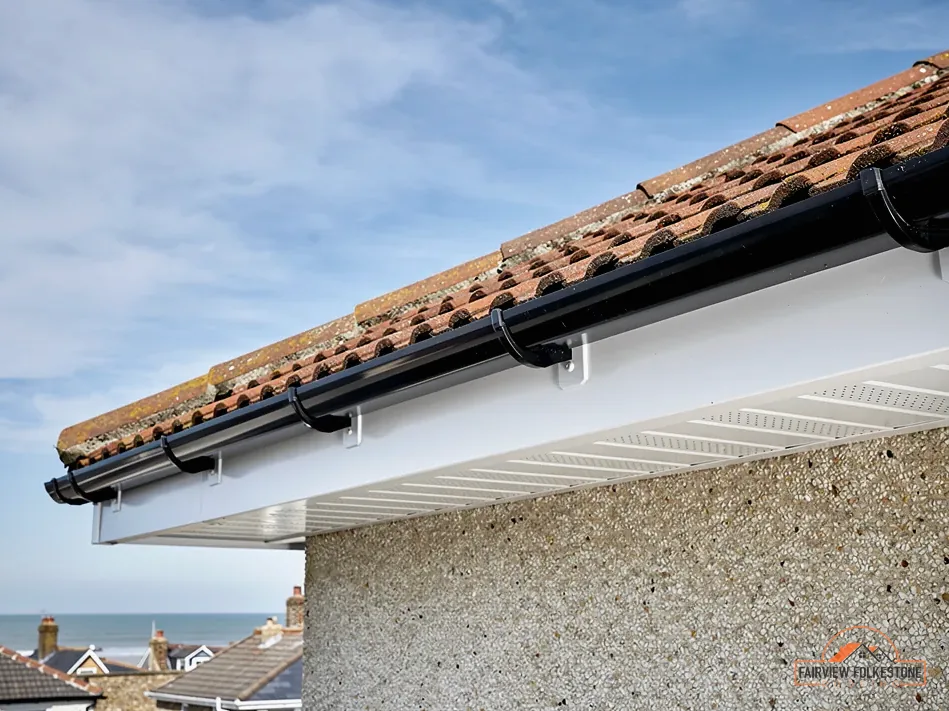
Birds and bats both settle behind soffit boards, and the law treats them differently. This page sets out what each is protected from and what happens to the work.
The short answer
Birds and bats are treated differently: an empty nest can be worked around, but a bat roost is protected even from harm nobody intended, unless a Natural England licence covers the work. For birds, the offence under the Wildlife and Countryside Act 1981 applies to a nest in use or being built. Bat roosts are covered more tightly. If something lives behind your soffit, work on that stretch waits.
5 min read · Part of Gutters, soffits & fascias

Nesting birds and the 1981 Act
Section 1 of the Wildlife and Countryside Act 1981 makes intentionally taking, damaging or destroying a wild bird's nest an offence, but only during the period when the nest is "in use or being built". Two parts of that wording carry the weight. The offence turns on intent, and it covers a nest that is occupied or under construction, not an old one left empty once the season is over.
GOV.UK adds a point for anyone hoping to get round the rule: for wild birds, there are no licensing purposes to permit development or construction. A roofline job is not a reason to clear an active nest, and no licence exists to allow it.
Nesting-season dates are not set out in the guidance we work from, so we do not plan by the calendar. We look at the soffit and its gaps before a single board is lifted. If a nest is in use or being built, that run of eaves is left alone, and the rest of the roofline is planned around it. Sparrows, starlings and others slip into a gap at a board's end, so the check is at the board, not the roof.
Why bats are protected more tightly
GOV.UK's bat guidance gives full legal protection to every bat species along with its breeding sites and resting places, and the activities it lists as able to affect them include repairing or replacing a roof. The soffit and the gap behind it sit right at the roof edge, so roofline work falls inside that list.
Two separate sets of rules apply. Under section 9(4) of the 1981 Act, it is an offence, if done intentionally or recklessly, to disturb a bat while it occupies a place it uses for shelter, or to obstruct its way in. Regulation 43(1) of the Conservation of Habitats and Species Regulations 2017 goes further. It is an offence to damage or destroy a breeding site or resting place of a protected animal, and that limb has no intent word at all.
For a roofer, the difference is plain. With a bird's nest, you ask whether anyone meant harm. With a roost, the damage is the offence, even if nobody intended it, so good intentions on the day do not protect a person who lifts the board. Our gutters, soffits and fascias page shows where this check sits in a full roofline job.
Birds and bats side by side
The two sets of rules ask different questions of whoever holds the screwdriver, and the table lays them next to each other.
| Question | Wild bird | Bat |
|---|---|---|
| What is covered? | The nest, while in use or being built | The animal, its breeding site and resting place |
| Does intent matter? | Yes, the offence is intentional | Not for damaging a roost |
| Is blocking the way in covered? | Not as a separate rule | Yes, if intentional or reckless |
| What happens to the job? | That stretch waits for the birds | That stretch stops for advice |
An old empty nest does not carry the same protection, but you only know it is empty by looking, and a gap that has held one nest is open to the next. A bat roost can also be invisible from below, because a bat needs only a narrow gap to get in. So we look at every elevation, not only the one with a visible problem, and we write down what we saw before a price is given.
What happens to the job when we find something
We check the eaves at the survey, from below and once more from the access we are using. What we look for:
- twigs or straw packed into a gap at a board's end
- droppings or staining below a gap, which can point to a roost
- animals going in or out of the same gap at dusk or dawn
An active nest means that stretch waits, while the rest of the eaves can go ahead around it. Signs of bats stop work on their stretch, and advice is taken before anything is cut, closed up or filled. Your quote says which parts of the roofline are affected, so there are no surprises on the day.
While you wait, do not stuff a gap with foam or filler, and do not screw a board over it. Blocking the way in is the very thing the bat rule warns against. A tidy, sealed eaves is the end of a finished job, not the first step. The same rule applies to covers: our answer on capping over fascias explains why a plastic cover goes on only after we have looked at what is behind it. The GOV.UK bat guidance sets out the licensing side.
More questions
Can new soffits go up while a bird is nesting behind the old one?
Not on that stretch. Destroying a nest in use or being built is an offence if done intentionally, and for wild birds there are no licensing purposes to permit development or construction, says GOV.UK. We work on the other elevations, leave the birds alone, and return to that run when they have gone.
If I find a bat in the eaves, does the whole roofline job stop?
Work on that stretch stops until advice has been taken, because damaging a roost is an offence whatever the intent. Other parts of the job may still go ahead, depending on where the signs are. GOV.UK's bat guidance covers protection and licensing, and we explain what it means for your timing at the visit.
Tell us what's wrong with the roof.
You'll get one written total price.