
Unused chimneys
Chimney removal or capping: which is right for an unused stack?
An unused chimney can be capped and left standing, or taken down in part or in full. The right choice depends on the stack, the roof and the rules that apply to your house.
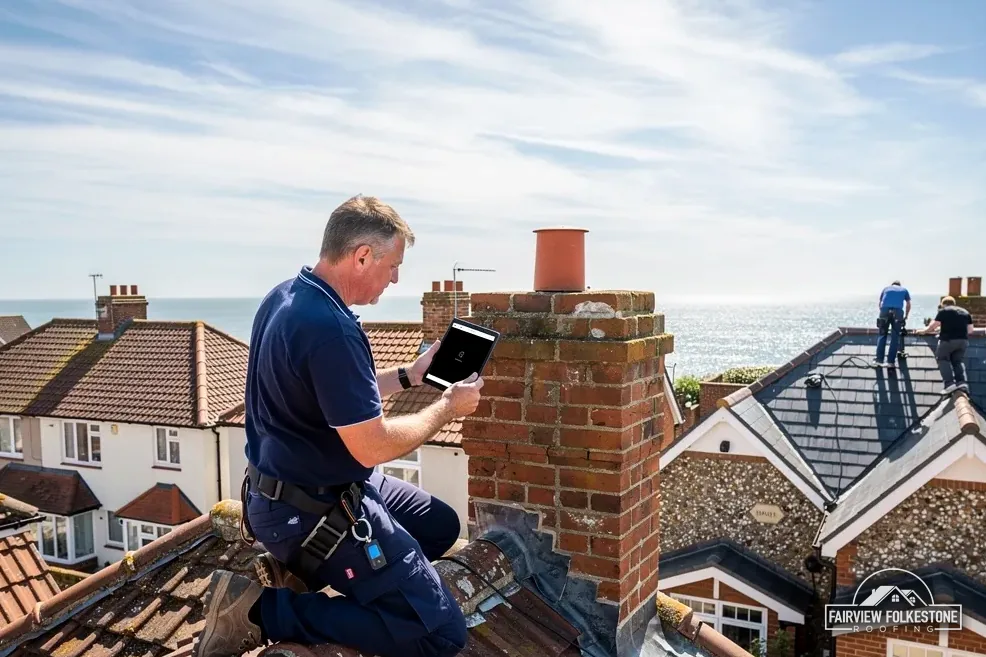
A chimney that has not carried smoke for years still sits on the roof, takes the weather on four faces and needs looking after. At some point an owner has to decide whether to keep paying to maintain a stack nobody uses. The two usual answers are to cap it, which closes the top and leaves the brickwork where it is, or to remove it, which takes the weight and the maintenance away but changes the house.
Neither is the cheaper route in every case. Capping leaves a stack that still needs pointing, flashing and an occasional look. Removal is bigger work, and it comes with rules: Building Regulations, a party wall notice where a neighbour shares the stack, and extra steps where the house is listed or in a protected street.
This post sets out the two jobs side by side, with the published figures that exist and the questions to put to the council before anything is ordered. It does not price a particular stack, because that needs a survey and a written quote.
01Side by side
Two jobs that look alike from the street
Some words first, because quotes use them loosely. The stack is the brickwork that rises above the roof. The breast is the part inside the house that projects from the wall and carries the flue up to the stack. The pot sits on top, and flaunching is the mortar bed that holds the pot and sheds rain.
Capping fits a cover to the pot or the top of the stack, so rain cannot run down the flue. The stack stays, the breast stays, and the job is small. Removal can mean two different things, and a quote should say which it means.
Our chimney repairs page covers the upkeep side of the work, including pots, flashings and repointing, for owners who decide to keep the stack and want it sound for the long term.
Whichever route you favour, ask for it in writing as one total price, and ask the quote to say which of the four jobs above it covers and whether scaffold and making good the roof are included.
| Option | What is taken away | What is left to look after |
|---|---|---|
| Cap only | Nothing | Stack, pointing, flaunching, lead |
| Stack removed above the roof | Brickwork and pot above the slope | The breast inside, and a roof made good |
| Breast removed inside | The projection in the room | Whatever supports the stack above |
| Whole chimney removed | Stack and breast | Patched roof and repaired walls |
02Chimneys
Taking the stack down above the roof
Removing the part above the roof is the job people picture first. The brick is taken down course by course, the opening in the roof is closed with new timbers and a matching covering, and any lead that sealed the stack to the slope goes with it. The roof then has a patch where the stack stood, and a good roofer counts that patch within the job instead of leaving it as an afterthought. Ask who closes the opening, with what, and whether the covering will match the old one beside it. Ask too whether the quote covers taking the debris away, since a stack is a lot of brick.
Capping or removing a chimney: your questions
Does taking out a chimney breast need building control sign-off?
Yes. The Planning Portal says approval always applies to chimney breast removal, because the breast is structural. The check can be done by the local authority's service or by a registered building control approver. A party wall notice may also be needed if the breast sits on a wall you share with a neighbour.
Roof work of this kind raises a planning point. Class C of the General Permitted Development Order covers alterations to the roof of a house, but it does not cover work that includes installing, altering or replacing a chimney or flue. So before a stack comes down, ask the council's planning team whether the work needs an application, and keep the reply. Our planning guide explains how the classes work.
Published costs for this job are thin. MyJobQuote's average for taking out an entire stack together with the breast is around £3,000 to £3,500. That figure covers the whole chimney, so it does not isolate the roof end, and your own price depends on height, access and the roof beneath.
- Scaffold will be needed, and a licence comes with any that stands on the highway.
- The covering around the stack must be matched, so tile or slate quality matters.
- A chimney on a party wall brings the neighbour into it.
Kent County Council wants the application from the scaffolding company, and its fee is £52 per week for 2026 to 2027; we arrange it with our scaffolder.
03Key points
Taking the breast out inside the house
Removing the breast gives back floor space, and it is the part of the job that carries the most rules. The Planning Portal is firm that taking out a chimney breast always brings Building Regulations approval into play, as the breast is a structural part of the building. No size of breast makes the question go away.
Either the local authority's building control service or a registered building control approver can carry out the check. Folkestone & Hythe District Council's building control team is on 01303 853538, and other councils in the area publish their own pages on the work that needs approval.
Someone also has to decide how the stack above is held up when the breast under it goes, and that decision belongs to a qualified person, not to whoever happens to be holding the hammer. Our page on chimney breast removal and Building Regulations covers the approval route in more detail.
MyJobQuote gives an average of around £2,500 for removing a chimney breast. That is a published average, not a price for your house, and the real figure turns on the number of floors, the support needed and the plastering afterwards.
- Ask building control, or a registered approver, how the work will be checked.
- Ask who supports any stack that stays above the roof.
- Ask who makes good the walls, ceilings and floors.
A party wall may be involved as well, which is the subject of the next section.
05Listed homes · Conservation areas
Listed homes, conservation areas and Article 4
A chimney stands out on the roofline of an old house, which is why protected status matters so much to this decision. The rules differ by designation, and none of them is guesswork.
Canterbury City Council says plainly that you will need listed building consent for any changes that affect a building's character. A stack that has stood for a long time is an obvious candidate for that test, so ask before you plan the work.
Where the house is in a protected setting, capping changes less of what is protected, and removal changes more. Even so, a cap on a listed house is a change to its appearance, so ask about it too. Our answer on a chimney in a conservation area sets out the questions to ask the council.
None of this stops sensible work. It means the first call goes to the council, and the roofer's quote comes after that answer is in writing.
- A listed house keeps its right to carry out roof work under permitted development, yet it also needs listed building consent for anything touching its character, and a chimney counts towards it.
- In a conservation area, recovering a roof is normally permitted development, but a dormer is not, and an Article 4 direction can take away further rights.
- The wording of each direction says which rights it withdraws, so a copy is worth reading before plans for the stack go further.
- For Folkestone & Hythe, Canterbury and Ashford, ask the council what any direction covers; for Rye, check with Rother District Council.
06The detail
Capping: what it solves and what it leaves
Capping is the lighter job, and it suits a stack that is sound and worth keeping. A cap keeps rain from running down a flue that has no fire beneath it, which is the main reason to fit one. Whether the cap should let air move through the flue depends on the flue, and on what sits below it. Settle that with whoever fits the cap and with building control, not from a general rule.
Can I remove a chimney from a listed house or a conservation area?
Not without asking first. A listed house needs listed building consent where work could change its character, and a chimney is part of that. In a conservation area, an Article 4 direction can remove permitted rights. Ask the council before any quote is agreed, and keep its answer in writing.
What capping does not do is repair the stack. The brickwork still takes weather on every face, so pointing, flaunching and the lead flashing at the base of the stack still need checking. MyJobQuote says correctly installed lead flashing can last for over 80 years, so a sound flashing is worth keeping, and a patch repair to chimney lead averages around £200 on the same source.
One more rule applies before any cap goes on, or any pot is lifted. Section 1 of the Wildlife and Countryside Act 1981 makes it an offence to intentionally damage or destroy a wild bird's nest while it is being built or in use. Check the stack first, and stop if a nest is there. Our answer on birds nesting in a chimney covers the next steps. For the future, a capped stack is a decision you can reverse. A removed stack is not. If you are unsure, capping now and deciding later keeps both options, at the price of continuing to maintain the stack.
Capping a chimney on a listed or protected house still needs the council's view, so ask first.
More on chimney repairs
All guides and posts

Tell us what's wrong with the roof.
You'll get one written total price.