
Cleaning or not
Is roof cleaning worth it, and when does it do more harm than good?
A clean pays off when the roof underneath is sound and the growth is the real problem. On a tired or fragile covering it is a poor buy, and the wrong method makes things worse.
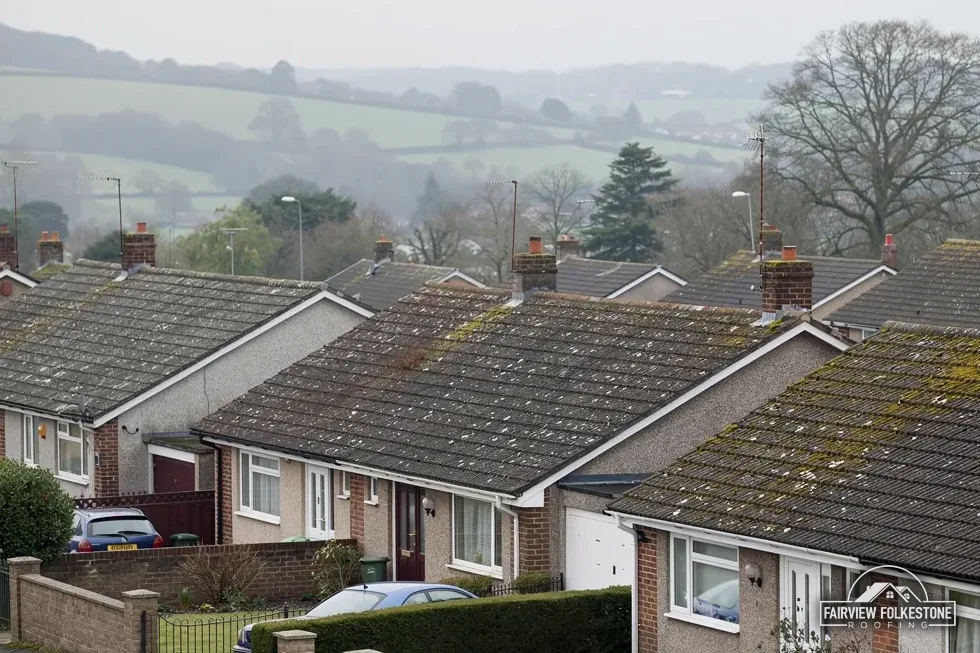
A clean roof looks better, and that is the reason owners book one. Whether it is worth the money is a different question, and the answer changes from roof to roof. On a sound covering, removing growth tidies the roof and clears the gutters. On a tired one, it can use up money that would have been better spent on repairs, or damage the surface it was meant to improve.
The aim of this page is to help you decide, not to sell you a clean. It sets out what cleaning actually achieves, a quick way to judge your own roof, the ways it goes wrong, how age changes the answer on old clay tiles, and what a quote should contain. Nothing here depends on a figure we cannot back up, so where the cost of a clean comes up, the answer is that it is priced after a survey.
If you want the practical side of the work itself, our roof cleaning and moss removal page covers it.
01Key points
What a clean does, and what it cannot do
It helps to separate the benefits that are real from the ones that are assumed. A roof clean removes growth from the surface of the covering, clears debris into the gutter and clears the gutter itself.
Here is how the claims often made for it stack up.
- It improves the look of the roof, which is true and is the main result.
- It lets you see the covering properly, so slipped or cracked pieces show up, which is useful.
- It clears debris that could block the gutters, which is true for as long as the gutters stay clear.
- It does not repair a cracked tile, refix a loose one or renew worn mortar.
- It does not make an old roof new, or change how long the covering will last.
That last point is where expectations go wrong. A clean addresses the surface only, and the published tile lifespans are for the material, with none tying a clean to a longer life for the tiles.
The comparison to make is with doing nothing, not with a new roof. Think of it as a tidy and a check. The tidy is cosmetic and partly practical; the check is where the real value sits, because someone looks closely at every part of the roof. If that look leads to a repair that saves a leak, the clean has paid for itself in a way the appearance never could.
The question for you is which of those outcomes you actually want.
02Side by side
A quick test of your own roof
You can get a rough answer without a ladder. Stand across the road in dry light, with binoculars if you have them, and compare what you see with the table below.
Is a clean worth it: your questions
Does cleaning a roof make it last longer?
A clean is not what sets the covering's life; the material and the fixings do that. Marley reports a minimum life expectancy of 60 years for clay tiles, from the BRE, and that is about the material, not the cleaning. A clean tidies the surface and lets the roof be checked.
| What you see | Worth a clean? | Why |
|---|---|---|
| Even growth, tiles look sound | Yes | The covering can take it, and the growth is the issue |
| Growth plus slipped or cracked tiles | Repair first | Cleaning could shift loose pieces |
| Flaking or crumbling tile surface | Take advice | The surface may not survive the work |
| Sagging ridge or open joints | Repair first | The covering is not secure enough to work across |
| Grey, rigid sheets on a garage | No, test first | May be asbestos cement; do not brush or wash |
Take a photograph of each slope while you are there. A dated set of pictures makes later changes easy to spot, and it gives a roofer something concrete to discuss. Read the table as a whole rather than row by row. A clean is worth doing when the roof is otherwise in good order. When there are repairs to make, they come first, and the clean follows if it still seems worth it.
If you are unsure what you are looking at, a survey settles it. That is a more useful first step than a price for cleaning, because it tells you which of the rows applies.
For a fuller look at what moss itself does to a covering, see our page on whether moss damages roof tiles.
03Costs
When a clean costs the roof more than it gives
Four situations turn a clean from a benefit into a risk. Each one is avoidable, which is why the method and the checks matter more than the price.
- Jetting the roof clean. Marley advises against it: "The use of high powered jet washes is not recommended as it can damage the surface of the slate or tile, thus reducing its expected life considerably". A cheap, fast job with a lance is the quickest way to hurt an old roof.
- Working on a covering that is already loose. A person walking a roof, or a brush moving across it, can shift tiles that were only just holding.
- Fragile materials. In HSE's guidance, asbestos cement roofs are "always fragile", and asbestos cement handled carefully, without breaking it up, counts as non-licensed work. Brushing or washing such a roof is not a safe DIY job, and a garage roof of grey sheeting built or refurbished before 2000 should be assumed to contain asbestos.
- Nests in use. A moss clean works along the places birds choose, so a nest that is occupied stops the job.
On the last point, the Wildlife and Countryside Act protects a nest in use or being built from "intentionally" inflicted harm, and our post on the best time to remove moss from a roof sets the rules out.
None of these is a reason to avoid cleaning altogether. They are reasons to ask how it will be done and what has been checked first.
A roofer who cannot answer both questions plainly is one to think twice about. Ask for the answers before the date is fixed, because a roof is much easier to protect before the work begins than to put right afterwards.
04Tiles
Old clay tiles: value against risk
Age is where the decision gets hard. Old clay tiles can be well worth keeping, and they are also the tiles most easily harmed by the wrong treatment.
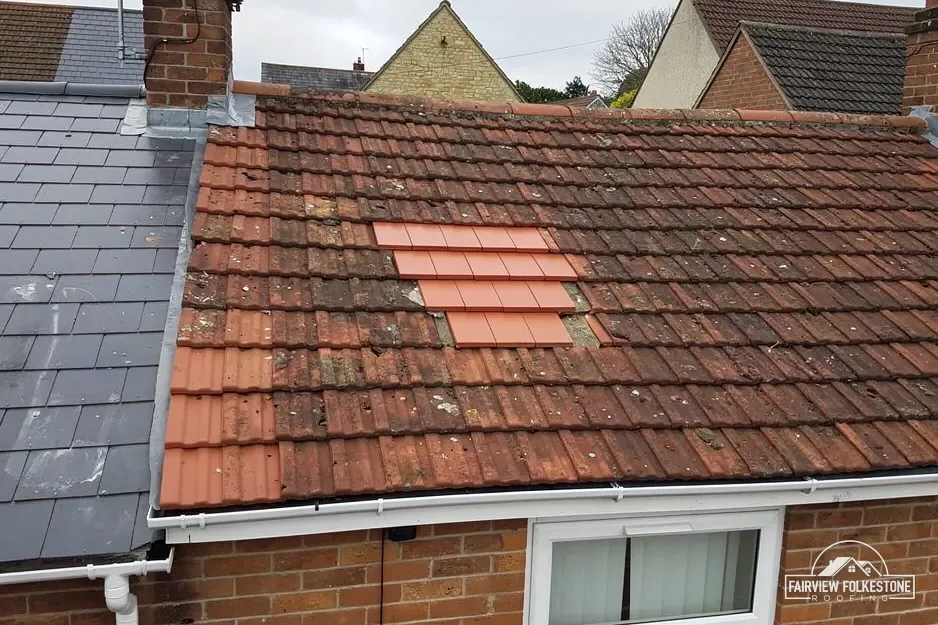
On lifespan, Marley reports that the BRE determined a minimum life expectancy of 60 years for clay tiles, and HomeBuilding gives clay tiles an approximate life of 60 to 80 years. Those figures are typical ranges rather than promises, so an individual roof can fall short of them or beat them.
What that means for you:
- A clay roof of some age may still have years left, so cleaning it can be a sensible way to look after it.
- The surface of an old tile is not what it was, so a gentle method matters more.
- Tiles that are aged are more likely to crack when disturbed, which is a reason to price in a few replacements and to ask who supplies matching ones.
- A covering that has nearly run its course is a poor place to spend on cleaning; the money is better put towards the work the roof needs.
So the first step is a survey. If the tiles are sound, clean them gently. If they are crumbling, the owner should be told, along with what a repair or a replacement would fairly involve.
Repair is the first option wherever the covering can take it, and a replacement only where it cannot.
Our page on how long roof cleaning lasts covers what to expect afterwards.
Can pressure washing damage roof tiles?
Yes, it can. Marley warns against powerful jets because they can scar the surface of the tile and shorten the roof's expected life. For that reason pressure washing is not our method, and you should ask any roofer how they plan to lift the growth off.
05Quotes
Reading a cleaning quote before you accept
Since the right answer depends on the roof, a price given without a visit is a warning sign. A fair quote does several things, and you can check it against a short list.
We give one written total for a clean, after a visit to the roof. You will not be handed a rate per square metre to multiply, because roofs differ too much for that to mean anything.
Access is the other thing to pin down. A low, simple roof may need only a ladder; a tall or steep one may need scaffold, and scaffold standing on the public road needs a county licence. We arrange it with our scaffolder, and the price you sign for already includes the scaffold.
- It follows a visit to the roof, with the access and the covering looked at.
- It names the method, and the tools that will touch the tile surface.
- It says what happens if a tile breaks during the work, and who pays for the replacement.
- It covers the gutters, or says clearly that they are separate.
- It states if scaffold is needed, and whether the total includes VAT.
Check the paperwork for the gutters as well. A clean sends debris into them, so a quote that leaves them out has left out the part where the mess ends up.
Compare quotes by what they say they will do, not only by the total at the bottom. Two totals that look alike can hide very different amounts of work, and the cheaper-looking one may leave out the gutters, the access or the replacement of anything that breaks.
06In figures
Doing nothing, repairing or re-roofing instead
Sometimes the sensible answer is not to clean. Doing nothing is a real option on a sound roof where the growth is light and the gutters are clear. A look every autumn and after strong winds will tell you when that changes.
A re-roof is the right answer only when the covering has really come to the end of its life, and we tell you plainly if that is what we find. The Planning Portal's guide sets its test at less than 25 per cent of the building envelope and less than 50 per cent of the roof, below which no building regulations application is normally needed, so a replacement is not as heavy a regulatory step as people fear.
If you decide to go ahead with a clean, a coating or treatment may be offered afterwards, and it is fair to ask what it adds to the roof and what it costs.
Whichever way you go, ask for the finding in writing, with photographs, so you can decide at your own pace.
Where the survey finds faults, these are the routes.
| Finding | Next step |
|---|---|
| Sound roof, light growth | Leave it, or clean gently |
| Sound roof, heavy growth | Clean, then check what is revealed |
| A few cracked or slipped tiles | Repair the tiles, then decide on a clean |
| Covering failing across the slope | Discuss a replacement |
Is it worth cleaning a roof that needs repairs?
Repairs come first. Cleaning across slipped or cracked tiles can shift them, and the clean will not fix them anyway. Once the roof is sound, you can decide whether the growth is still a problem worth paying to remove, or whether a look each autumn is enough.

Tell us what's wrong with the roof.
You'll get one written total price.