
Conservation area windows
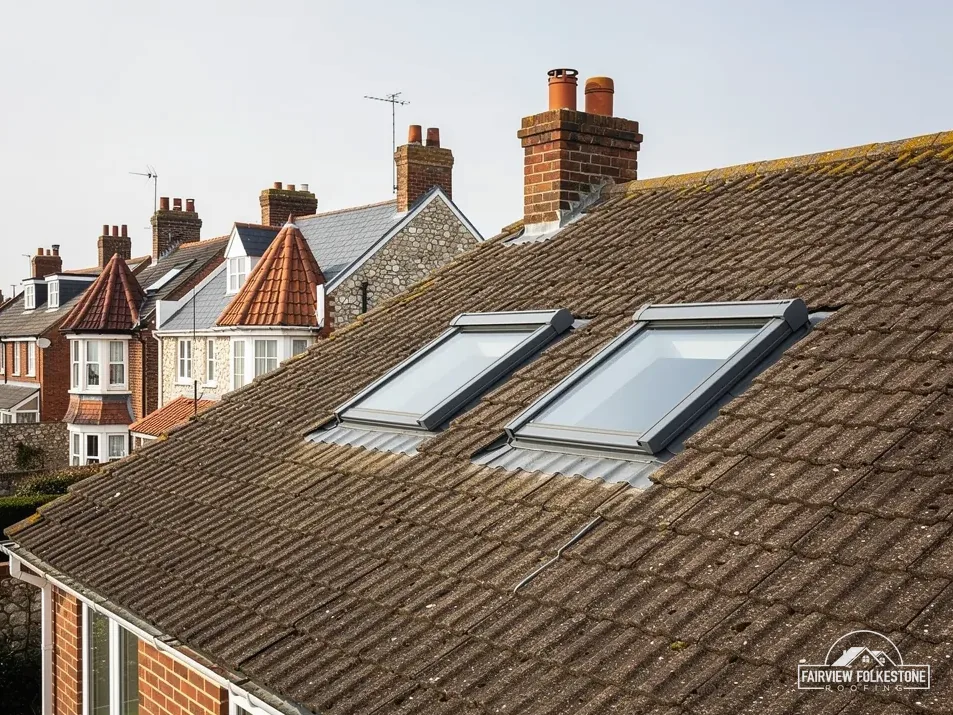
Can you fit roof windows in a conservation area?
On a house, a conservation area leaves in place the right to a roof window, but other rules can. Below: what can take it away and where to check.
The short answer
Yes, on a house a roof window can normally go in under permitted development in a conservation area, because Class C of the rules carries no exclusion for that kind of land. Three things change the answer: an Article 4 direction on your street, a listed building, and a flat, which has no permitted development at all. Dormers are a different matter and need planning permission there.
5 min read · Part of Roof windows & skylights

Why the area matters less than you think
Permitted development is the set of works a householder may carry out without applying for planning permission. Fitting a roof window falls under Class C, the class for other alterations to a house roof. Class B, the dormer class, is the one that stops at the edge of a conservation area, a National Park, an area of outstanding natural beauty or a World Heritage Site. Class C has no such exclusion.
The designation alone, then, does not stop a roof window. The limits that apply on every house still apply here: how far the unit may stand out from the slope, how high it may reach, and how a window on a side slope is glazed. Our planning permission guide sets those limits out in full.
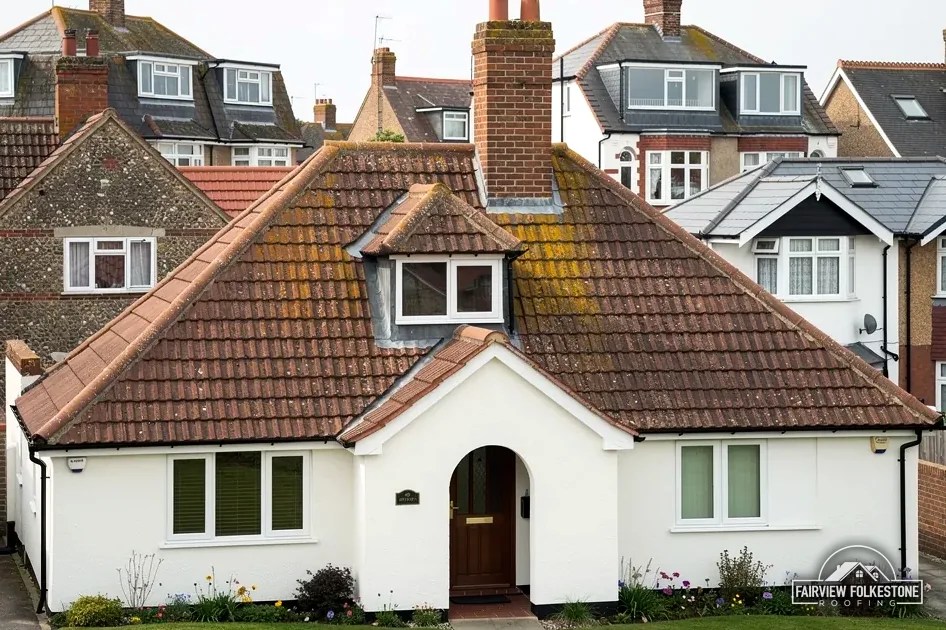
The same designation does close the door on one nearby plan. If your loft scheme depends on a dormer, it needs a planning application, however modest the dormer is. A scheme made of roof windows, on the other hand, moves to the question in the next section: is there anything on your street that removes the right?
What can take the right away
Three situations override the general position, and each is worth settling before a window is ordered:
- an Article 4 direction, which the government's guidance describes as letting the local planning authority withdraw specified rights across a defined area
- a listed building, which keeps its rights for roof work but needs listed building consent for any change touching its character
- a flat or maisonette, since Canterbury City Council notes that these have no permitted development rights and the outside cannot be changed without planning permission
Directions differ from one area to the next, and Dover District Council's heritage page shows the variety. The page lists several directions, among them Kingsdown, Nelson Street, Dour Street, Middle Street in Deal and Sandwich, but it does not say which rights each one removes, and some cover only part of a street. A Dover address therefore needs a call to the council, not a guess from the list. The same advice holds for every other district: a published list tells you where to ask, and the council's reply tells you what applies to your roof slope, which can differ from the house next door.
A checklist for your own street
No council in our area gives one answer for every street, so the check is made at the council that covers yours. Work through it in this order:
- Find your district council: Folkestone & Hythe, Dover, Canterbury, Ashford or, for Rye and Camber, Rother.
- Ask whether the house stands in a conservation area. Dover counts 57 in its district, Canterbury 97 and Ashford 43, while Folkestone & Hythe points owners to an interactive map.
- Ask whether an Article 4 direction covers the road, and which rights it removes.
- Confirm the building's status, listed or not, and whether the council treats it as a house or a flat.
- Keep each reply in writing, with the address and the date on it, so that a later buyer, or the council itself, can see what was said and when.
For Rye and Camber, Rother District Council is the one to contact, and we quote nothing from it here. The Canterbury World Heritage Site, with the cathedral, St Augustine's Abbey and St Martin's Church, also takes dormers out of permitted development, while a roof window under Class C is unaffected.
Building control and the choice of window
Planning permission and building control are two separate routes. Dover District Council's building control page lists installing roof lights among the jobs it wants to approve, so at a Dover district address a call to that council comes first. Elsewhere we ask the local building control team and put what it says into the written price. Until 24 March 2027, Approved Document L 2021 asks a new roof window to reach 1.4 W/m²K, or Window Energy Rating Band B.
Appearance is what a conservation area turns on. Folkestone & Hythe District Council says a designation brings a requirement to design new developments appropriately, using traditional natural materials. That wording is about new developments, so it does not rule out a roof window, but it does give you cause to raise the style of window and its flashing with the council before you choose. A photograph of the slope and of the street helps that conversation.
If you are unsure whether your road is covered, send us the address. The survey notes what is on the roof, then one written total price follows. The roof windows and skylights page shows how a job is run.
More questions
Can I put a dormer in a conservation area?
Not under permitted development. Dormers fall under Class B, which does not apply to conservation areas, so planning permission is required, and Dover District Council lists building roof dormers among works needing permission in a conservation area. A roof window stays under Class C, which has no such exclusion, provided no other limit applies.
Who can tell me if an Article 4 direction covers my road?
Ask your council, which keeps the list. Canterbury City Council shows its directions on a map, Dover District Council names several on its conservation area page, and Ashford Borough Council holds its own list. For Rye or Camber, check with Rother District Council. We can raise it at the survey, but the council has the final say.
Tell us what's wrong with the roof.
You'll get one written total price.