
Skylight or lantern
What is the difference between a skylight and a roof lantern?
A skylight sits in the roof plane, while a lantern stands up from it on a kerb. Below: how each is built, the rules they meet and how to choose.
The short answer
A skylight sits level with the roof surface, as a flat pane or a window in the slope, while a roof lantern stands above the roof on a kerb, with glazed sides and a pitched or pyramid top. The lantern is a small glazed structure and the skylight is a window. They meet different Part L figures, and a lantern's height changes the planning questions.
4 min read · Part of Roof windows & skylights
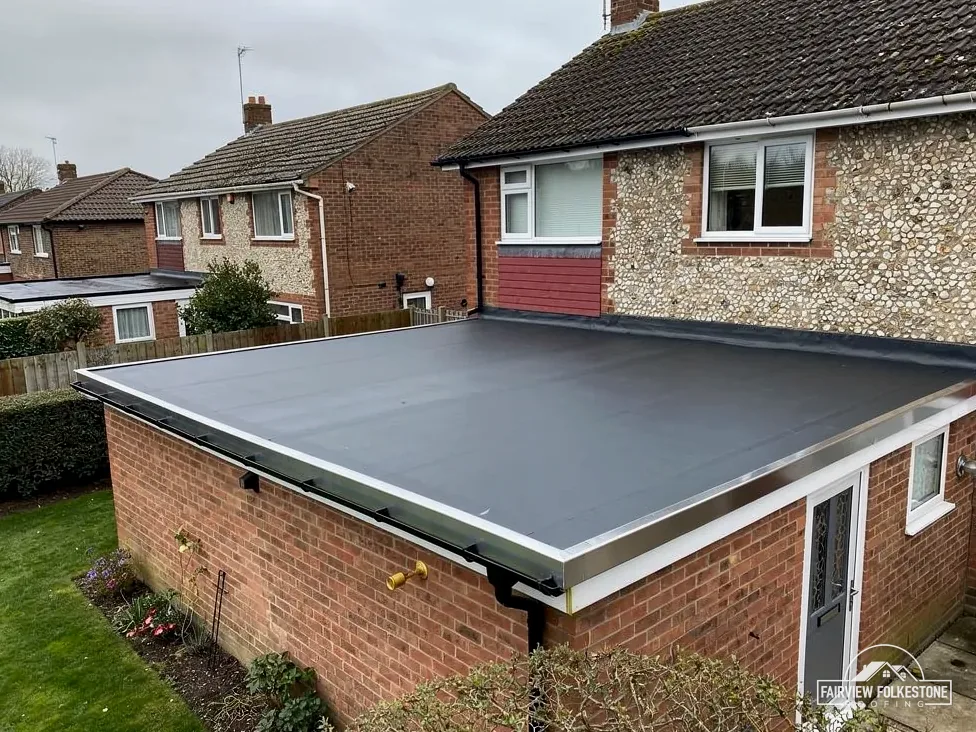
Two words for glass in a roof
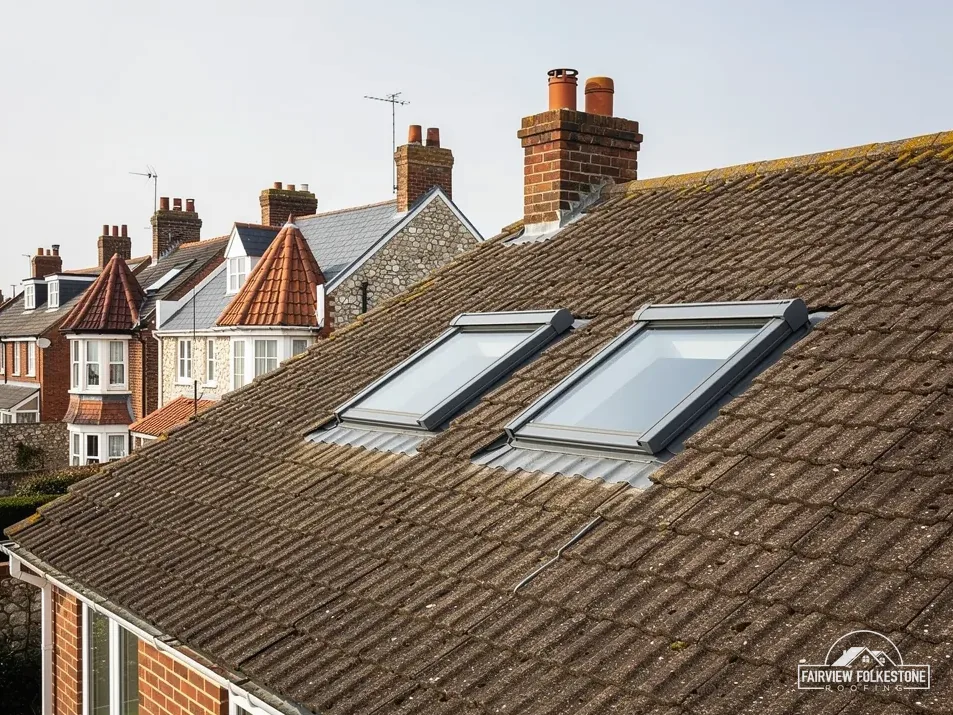
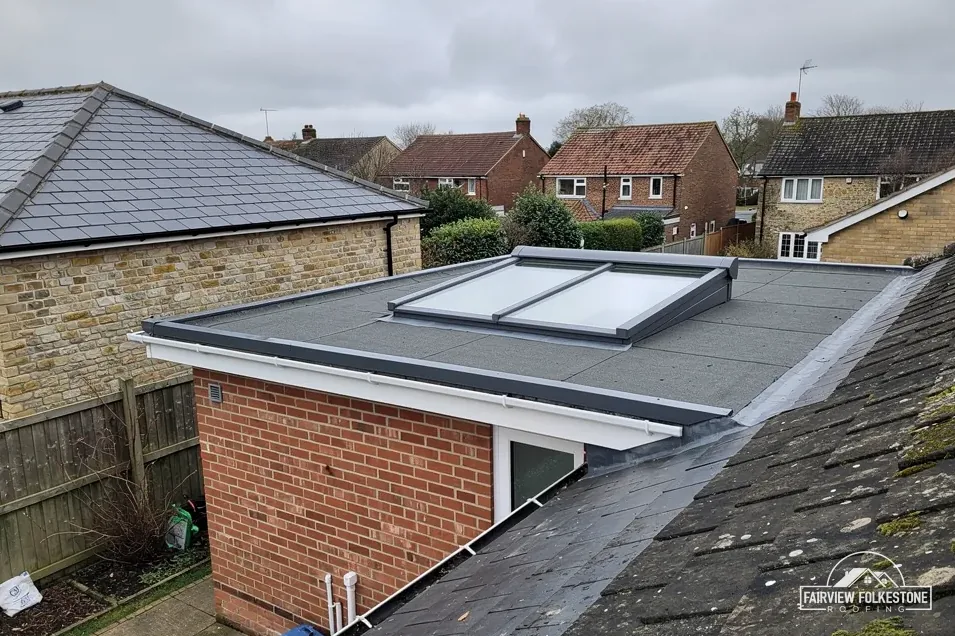
People use skylight for almost anything glazed in a roof, so the first job is to say what is meant. In roofing it covers two products. A roof window is hinged or fixed and sits in the slope of a pitched roof, with the roof covering flashed up to its frame. A rooflight is a glazed unit set on a flat or low-pitched roof, usually on a kerb, a low upstand that raises the glass clear of the surface.
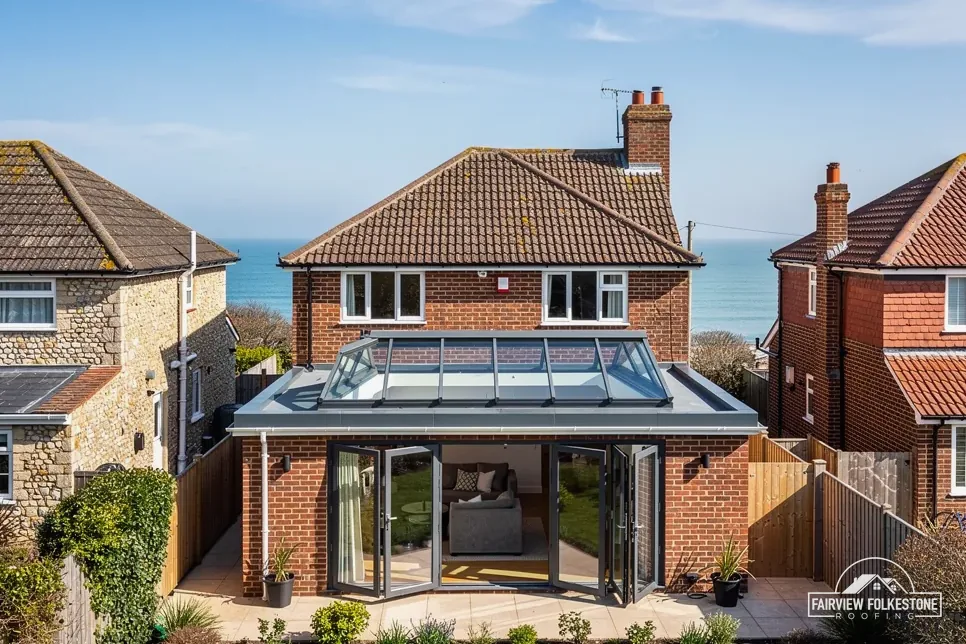
A roof lantern is a larger and taller version of the second idea. It has glazed sides, a ridge or a point at the top, and an outline that stands proud of the roof. It is usually chosen to light a room below a flat roof, an extension or a kitchen, where a single pane would not give the room the same sense of height.
Which product suits you is decided by the roof first and the look second, and by the room below it third. The roof's pitch, its structure and what lies below decide what can be fitted, and the survey is where that is read.
Side by side
The table sets the two against the points that matter when you are choosing.
| Point | Skylight | Roof lantern |
|---|---|---|
| Shape | Flat pane or window in the roof plane | Glazed sides and a pitched or pyramid top |
| Sits | In the slope, or on a low kerb | On a kerb, standing above the roof |
| Roof it suits | Pitched or flat | Flat or low-pitched |
| Part L figure | 1.4 or Band B for a roof window; 2.2 for a rooflight | Ask the maker and building control which line applies |
The last row is the only one that is not set by the shape. Approved Document L 2021 Table 4.2 gives roof windows the window figure and holds rooflights to 2.2 W/m²K, and the document does not name lanterns, so the figure for a given lantern is confirmed before it is ordered. Ask the maker for the stated U-value of the whole unit, frame included, and keep that sheet with the other papers for the job. Building control may want to see it, and a buyer later may ask for it too.
Rules each one meets
Both products count as parts of the building envelope in the Planning Portal's re-roofing test, which lists roof windows and rooflights beside walls, floors and doors. Both must meet Part L when they are new, until 24 March 2027 under the 2021 edition.
Planning is where they part company. On a house, a window in the slope is an alteration under Class C, subject to its limits on how far it may stand out of the plane of the roof. A lantern is built to stand up, so those limits matter more, and a flat has no permitted development rights at all. The planning permission guide sets them out. Listed homes need listed building consent, and a conservation area can bring an Article 4 direction.
For building control, Dover District Council lists installing roof lights as work needing approval, and in other districts we ask the local team first. The structure also needs checking, because the lantern is carried by the roof edge around its kerb. A lantern weighs more than a plain pane, and the joists or rafters around the opening may need trimming or doubling up to carry it.
Picking the right glass for the roof
These questions point towards the right product:
- Is the roof pitched, flat or low-pitched? A pitched slope suits a roof window, and a flat roof suits a rooflight or lantern.
- Does the room need height as well as light? A lantern gives both, a skylight gives light.
- How much of the roof edge can carry a kerb, and what lies beneath?
- Does the street or the home's status limit what can stand above the roof line?
The flat roof round a kerb must also drain. BS 6229:2025 sets a minimum finished fall of 1:80 for membrane flat roofs, so the roof is designed to a steeper fall to allow for tolerances. Pooled water at a kerb is a fault in waiting, so the survey looks at the fall round the opening as well as the opening itself.
Our page on whether a roof window will fit your roof covers the pitched case, and the roof windows and skylights page shows how a job runs. You receive one written total price once the roof has been surveyed.
More questions
Does a roof lantern let in more light than a skylight?
It depends on the size of each and the glazing used, not the shape alone. A lantern has glazed sides as well as a top, so it takes light from more angles through the day, which can help a deep room. A large skylight over the same opening can give a similar amount, so size and glazing are worth comparing.
Does a roof lantern need a kerb to stand on?
Yes, a lantern stands on a kerb, which is a low upstand built round the opening. The kerb lifts the frame above the roof surface, and the roof covering is dressed up to it so that rain runs away. It needs to be square, level and carried by the structure, which the survey checks before the lantern is ordered.

Tell us what's wrong with the roof.
You'll get one written total price.