
Summer heat
Why is my conservatory too hot in summer, and will a new roof help?
A conservatory overheats when sun reaches the room through its roof and the heat cannot escape. Here is when a new roof cures it and when something smaller will do.
The short answer
A new roof can help, but only where the roof is the way the heat gets in. A glass or clear plastic roof lets the sun straight into the room, and a solid insulated roof stops that. The Planning Portal records that owners move from polycarbonate to a solid tiled roof for better thermal efficiency. It will not cool a room whose walls are mostly glazed and face the sun, so we look at the whole room before saying a roof is the answer.
5 min read · Part of Conservatory roofs
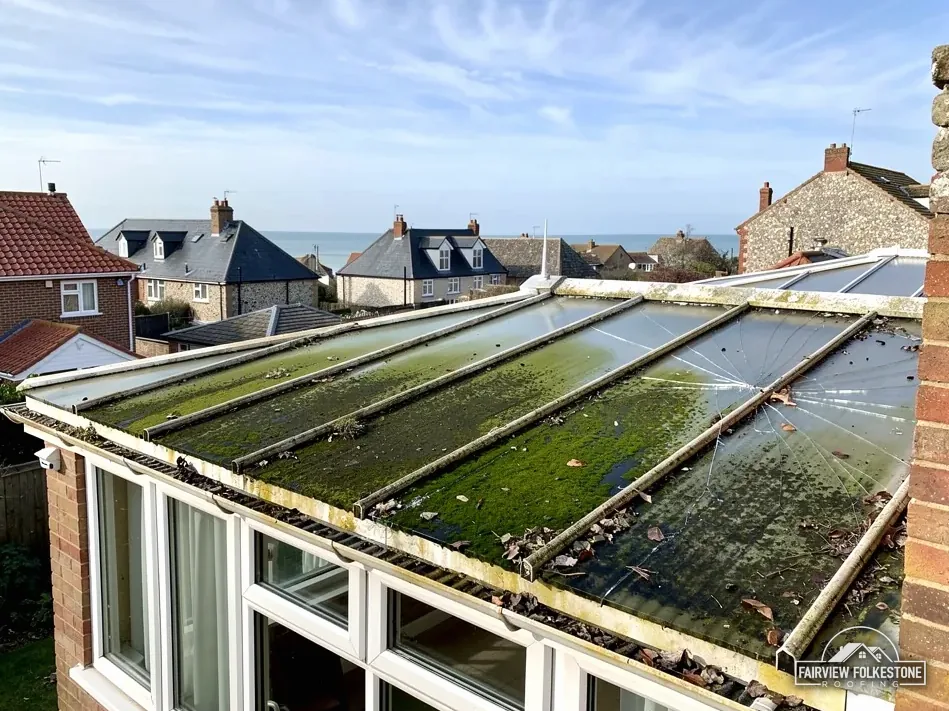
Why a glazed roof turns the room into an oven
Sunlight passes through clear glass or polycarbonate, lands on the floor, the furniture and the people, and is turned into heat. The same panes that let the light in make it hard for that heat to leave, and warm air rises, so it collects under the roof where the surface is thinnest. A conservatory has little masonry to soak up the warmth, which is why it swings from sweltering at noon to chilly at night.
The roof matters because of its size. Of all the surfaces facing the sun, it is the largest and the one tilted most towards it. Three things decide how hot a given room gets:
- how much of the roof is clear, and whether it carries any tint or coating
- which way the glazed walls face, since a south or west wall adds to the roof
- how easily hot air can escape through opening vents, roof vents and doors
A roof change addresses the first of those. The second and third stay as they are unless the work includes them, which is worth knowing before you pay for a roof to solve a problem that sits in the walls.
What a solid roof changes, and what it cannot
A solid roof replaces the clear surface with tiles, a layer of insulation and a ceiling lining, so direct sun no longer enters from above. The Planning Portal gives better thermal efficiency as the reason owners go from polycarbonate to a solid tiled roof, and adds that the new roof must comply with building regulations. Our own claim is narrower: it removes the largest source of heat, though not every source of it.
| Option | What it does | What it leaves |
|---|---|---|
| Blinds or film | Cuts some sun at the glass | Heat already inside the room |
| Extra vents | Lets hot air out | The sun still coming in |
| Solid roof | Stops sun entering from above | The glazed walls |
| Roof windows in a solid roof | Bring light back and open to vent | Some sun with them |
A roof alone is not a complete cure for a room with sunny glazed walls, and it is better to know that now than after the work is finished. Ask what the roof will and will not change before you agree to anything.
Checks before you decide on a roof
Most of the useful work happens on a hot afternoon, not on a drawing. If possible, be in the room at the hottest part of the day and note the answers to these questions before we visit:
- Where is the heat strongest, at head height or near the glass?
- Which walls does the sun reach, and for how long?
- Do the roof vents and doors open, and do they let air move through?
- Is the roof clear, tinted or already blinded?
- Is the room also too cold in winter?
That last question matters because a roof that cures summer heat and winter cold together is the case for a solid insulated roof at its strongest. If the only complaint is a few hot weeks, blinds, film and vents may do the job without a new roof at all, and we will say so. A new roof is a large expense to solve a seasonal nuisance. The roof windows we fit in a solid roof must meet Table 4.2 of Approved Document L, which sets 1.4 W/m²K for a roof window and 2.2 W/m²K for a rooflight, and each one brings some sun back into the room.
What we would advise
Where the complaint is heat in summer, cold in winter and condensation on the roof, a solid roof tackles all three, and we recommend it plainly. Where it is summer heat alone, coming through walls that face the sun, a new roof helps only a little and shading the glass does more. The survey tells us which case you have, and it checks the frame first, because a tiled roof asks more of the frame than glazing did.
Condensation is covered in our guide to condensation under a conservatory roof, and our answer on whether a warm roof is worth it weighs the wider case for insulation. The full job is described on our conservatory roofs page. Whatever the verdict, you receive a quote with one written total after the survey visit. It names what is being replaced, what is staying and what the new roof is expected to change, so nothing about the roof's limits comes as a surprise once the work is under way. If you would rather start with a conversation, the number is on every page.
More questions
Will roof blinds be enough to stop the overheating?
They can take the edge off. A blind cuts sun at the glass but leaves the heat that has already built up in the room. Used together with open vents they suit a conservatory that is hot for only a few weeks. A conservatory that is also cold in winter points to the roof.
Will a tiled roof make the conservatory dark?
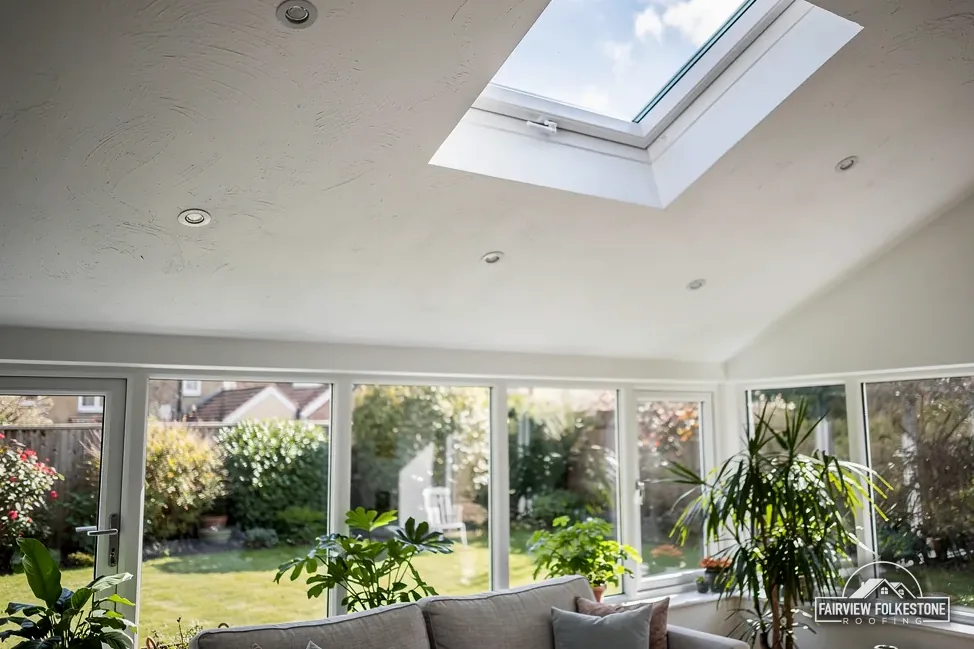
It will let in less daylight than glass does, because the roof is no longer clear. Roof windows put some light back and open to vent hot air, though they bring some sun with them. We plan their number and position with you at the survey, before any figure is written.
More on conservatory roofs
All guides and posts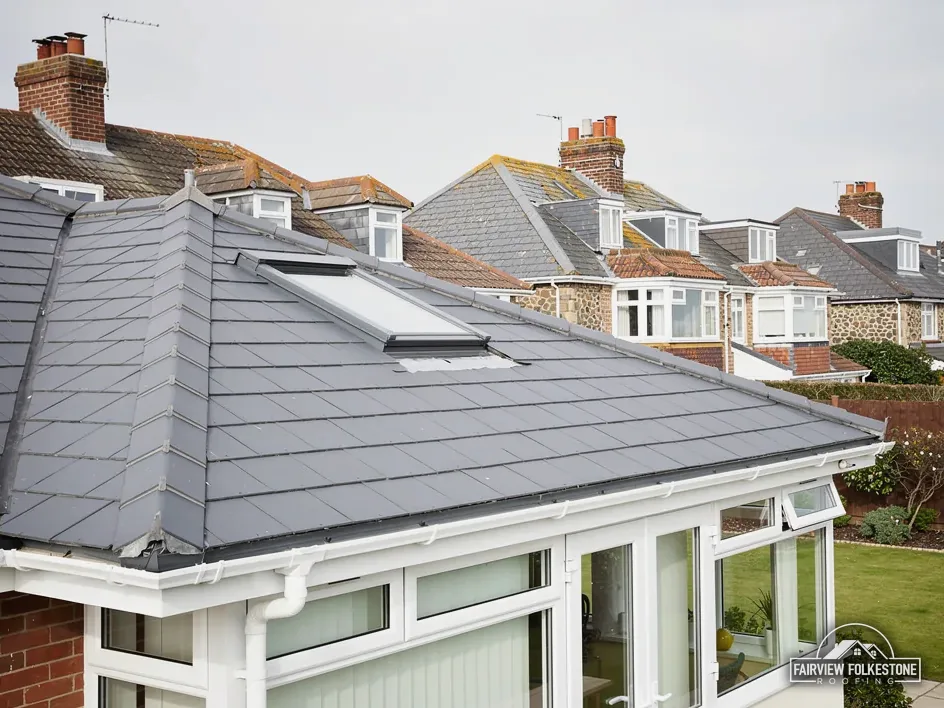

Tell us what's wrong with the roof.
You'll get one written total price.