
Stolen lead
Lead stolen from your roof: what to do first
If lead has gone from your roof, deal with the open weather first, then the paperwork. Below: the order to work in, the photos to take and the new lead.
The short answer
Tell the police and your insurer, then get the roof covered before the next rain. The open gap is what causes the damage, so a temporary cover over it comes first, from the ground if you cannot reach it safely. Take photos before anything is cleared, and keep your receipts. Then have a roofer survey the roof, so you know what new lead it needs.
5 min read · Part of Lead work
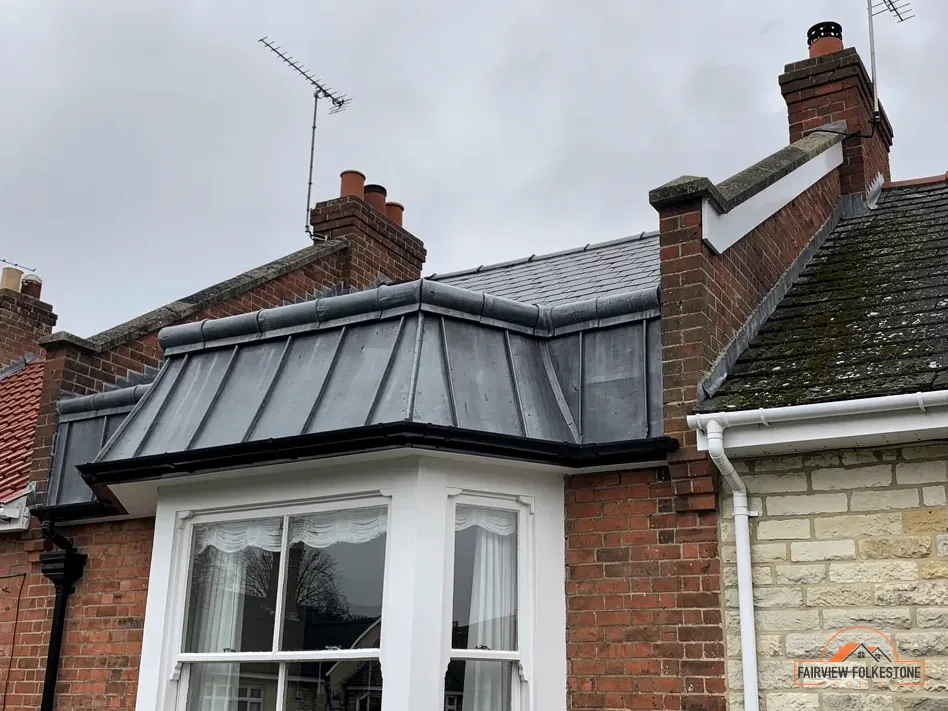
The order to work in
Stolen lead leaves a roof open, and the problem gets worse with every shower, so the order of the first steps matters. Stay off the roof yourself. A ladder against a wet slope or a chimney stack is not worth the risk, and what you cannot see from the ground can wait for a surveyor.
- Check that nobody is at risk, and keep clear of any loose slates or tiles below the gap.
- Phone the police to log the theft, and note the crime reference you are given.
- Tell your insurer, and ask what it needs from you before any work is done.
- Photograph the damage from the ground and from inside, then arrange a temporary cover.
- Book a survey so the missing lead can be measured and priced.
Do not clean up or clear away anything that shows the damage until your insurer has seen the photos. That includes offcuts of lead, pieces of damaged flashing and any broken slates, which show how the thieves worked and how far the damage goes. If the roof is a shared one on a terrace, tell the neighbours too, since the same gap may be open above their ceilings.
Photos, receipts and the insurer
The Financial Ombudsman Service says it will usually look at expert reports and photos of a property's condition when a claim is disputed. So the most helpful thing you can do before any repair is photograph the damage: the gap where the lead was, the stained ceiling, the pieces left behind.
- Photos of the roof edge, valley or flashing from the ground, and of any damp inside
- The date and time you found the theft
- Any marks on the roof edge, gutter or wall that show how the thieves got up
- Receipts for any temporary cover you buy or have fitted
- The crime reference from the police
What your policy pays is for your insurer to say. What we can give you is a written survey of what is missing and the new lead it needs, which your insurer may want to see. Keep that survey with your photos and receipts, so the whole story sits in one folder if questions come back later. If a claim is refused and you disagree, the Financial Ombudsman Service helpline is 0800 023 4567, and you complain to your insurer first.
Making the roof safe until new lead is fitted
A temporary cover is only there to keep rain out for a short time. It is not a repair, and it should not be nailed through slates or tiles, because every hole is another gap. A sheet of heavy-duty tarpaulin, held down with battens and weighted at the edges, can cover a flashing or a valley from the ground side. We would rather it was fitted by a roofer from a safe position than by an owner on a ladder. The aim is simple: no open gap, no flapping sheet, and nothing that can blow off in the next gale and land on the path below.
Inside the house, move anything that can be damaged, put a bowl or bucket under any drip, and keep the room ventilated so the ceiling and any timber can dry. If a ceiling is bulging or sagging, keep out from under it and tell the roofer when you book. Damp that is left in the roof void can lead to rot in timber, so a temporary cover should be followed by new lead as soon as it can be arranged. Ask the roofer how long the cover is meant to last, and what will be checked when it comes off.
Replacing the lead that was taken
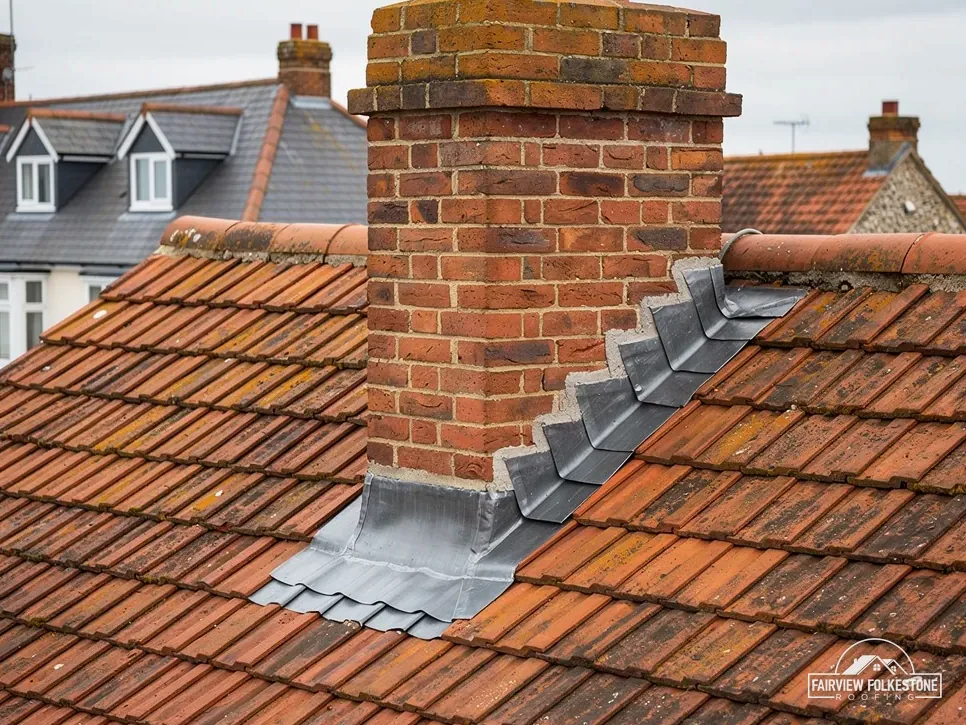
New lead is the answer where lead has been cut away, because a patch cannot replace metal that is no longer there, and old offcuts cannot be joined back into a sound sheet. On the survey we measure what is missing, check the timber and the covering underneath for damp damage, and write down the details that need lead again: flashings, a valley, a gutter lining or a bay.
Replacement is matched to the detail. Royston Lead lists Code 4 as its lightest code for flashings, while Code 5 is the lightest it lists for the heavier gutter work, such as box and parapet gutters, so the code depends on what was taken. If a quote just says lead, ask which code. Our lead codes explained post sets out the table.
The price turns on how much lead has gone and how the roof is reached, as our lead flashing repair cost answer explains. Where the lead that remains is sound, repair comes first. The lead work page covers every lead detail, and your quote is one written total price.
More questions
Should I climb up to check what has been taken?
No. A wet roof, a ladder and loose slates are a poor mix, and you can see most of what you need from the ground or from the loft hatch with a torch. Take photos from there, then let a roofer survey the roof safely, with the right access, once the temporary cover is on.
Can stolen lead be replaced with something other than lead?
Sometimes, though that is a choice for you, your insurer and the survey together. Listed building consent is needed for any work that alters what makes a listed building special, and in a conservation area it is wise to check with the council, so ask first. We would normally recommend lead where lead was used before, since the detail was designed for it.

Tell us what's wrong with the roof.
You'll get one written total price.