
Lead sheet codes
Lead codes explained: why Code 4 and Code 5 go in different places
A lead code is a number on a roll of sheet standing for its thickness and weight. Choosing between Code 4 and Code 5 depends on where on the roof the lead goes.
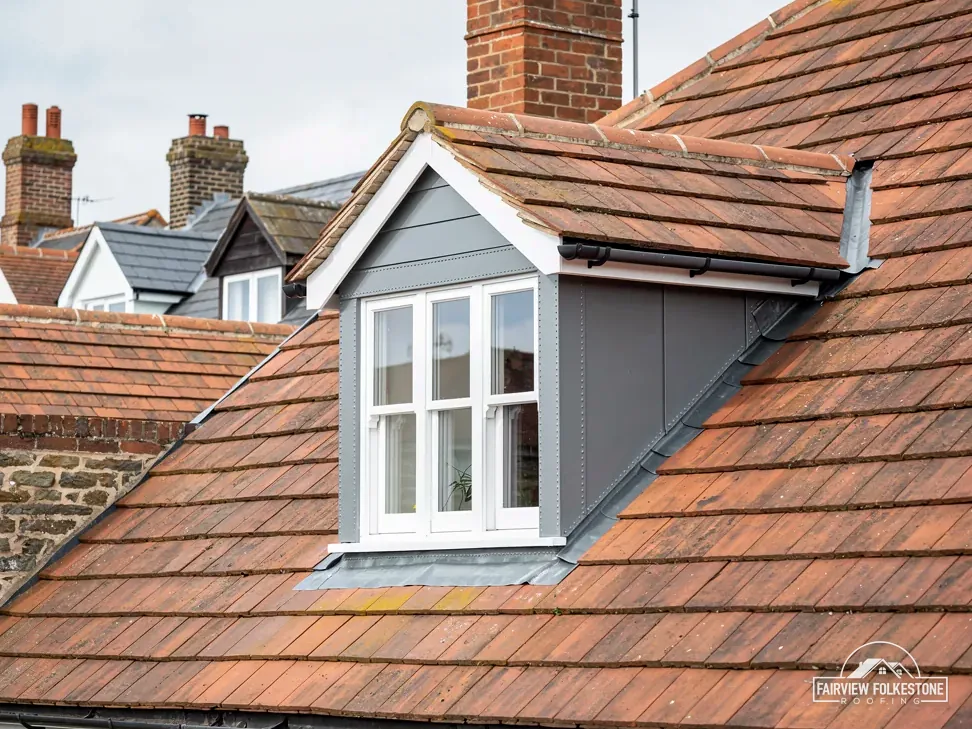
Ask three people what lead code a roof needs and you may hear three numbers. That is not because anyone is guessing. Lead sheet is made in a run of numbered codes, each a different thickness, and the right one depends on where the lead sits: a thin strip tucked into a brick joint is a different job from a gutter that carries a whole roof slope's water.
This post takes the codes as a cast-lead manufacturer publishes them, Royston Lead, and walks through what each number means, which details each one is listed for, and why Code 4 and Code 5 end up in different places on the same house. It also covers what changes the price, how long correctly installed lead can last, and the questions worth putting to any roofer who quotes for leadwork.
You do not need to memorise the table. You do need to know enough to read a quote that says only "Code 5" and understand what it is promising.
01Leadwork
What a lead code actually measures
Each code stands for a thickness and a weight per square metre of sheet. The numbers climb together: the higher the code, the thicker and heavier the lead. Royston Lead also colours its codes, so a roll can be recognised at a glance on a scaffold or in a van.
| Code | Thickness (mm) | Weight (kg per m²) | Colour |
|---|---|---|---|
| 3 | 1.32 | 14.97 | Green |
| 4 | 1.80 | 20.41 | Blue |
| 5 | 2.24 | 25.40 | Red |
| 6 | 2.65 | 30.05 | Black |
| 7 | 3.15 | 35.72 | White |
| 8 | 3.55 | 40.26 | Orange |
So Code 5 is about 0.44 mm thicker than Code 4 and carries roughly 5 kg more lead on every square metre. That sounds small on paper. Across a long gutter or a large dormer it becomes a lot of metal, which is why the code is written into the specification rather than left to whoever is on site that day.
The thickness figure is for the sheet, not for a finished detail: a flashing is folded, dressed and fixed, and the code tells you only what it was cut from.
Seen end to end, the range is narrow: Code 3 at 1.32 mm is the thinnest and Code 8 at 3.55 mm the thickest, a spread of just over two millimetres. When a roofer says "five lead", they mean Code 5, the red roll. A quote that gives only a thickness in millimetres can be matched back to this table in a moment.
02Code 4
Why Code 4 and Code 5 go in different places
The same brochure lists, for each code, the jobs it is meant for. Code 4 and Code 5 overlap in the middle and then part company at the heavy end of the work.
Read down the columns and the pattern is plain. Code 4 is the lighter workhorse for the details that sit tight against the roof: soakers, flashings, a pitched valley and dormer cheeks. Code 5 is the step up, and it is the lowest code the brochure lists for a parapet gutter or a box gutter, the flat-bottomed channels that collect and carry water rather than simply shed it.
Code 3 is a special case. The brochure says it is recommended for soakers only, so it does not appear in the flashing or gutter columns at all.
If a quote offers Code 4 for a box gutter, that is a question to ask, not a bargain. The manufacturer's own matrix does not list it for that job.
None of this makes Code 5 the better lead in every place. On a soaker it would be more metal than the job needs, and the brochure does not list it there. The code is a fit to the detail, and a heavier sheet in the wrong place adds weight and cost without adding anything the detail can use.
| Detail | Code 4 | Code 5 |
|---|---|---|
| Soakers | Listed | Not listed |
| Flashings | Listed | Listed |
| Pitched valley gutters | Listed | Listed |
| Parapet, box and tapered valley gutters | Not listed | Listed |
| Dormers | Listed | Listed |
Lead code questions
What colour is Code 4 lead, and what colour is Code 5?
In Royston Lead's cast-lead range, Code 4 is blue and Code 5 is red. Code 3 is green, Code 6 black, Code 7 white and Code 8 orange. The colour helps identify a roll, but the thickness and weight per square metre are what the specification relies on.
03Flashings
Soakers and flashings: the lighter end
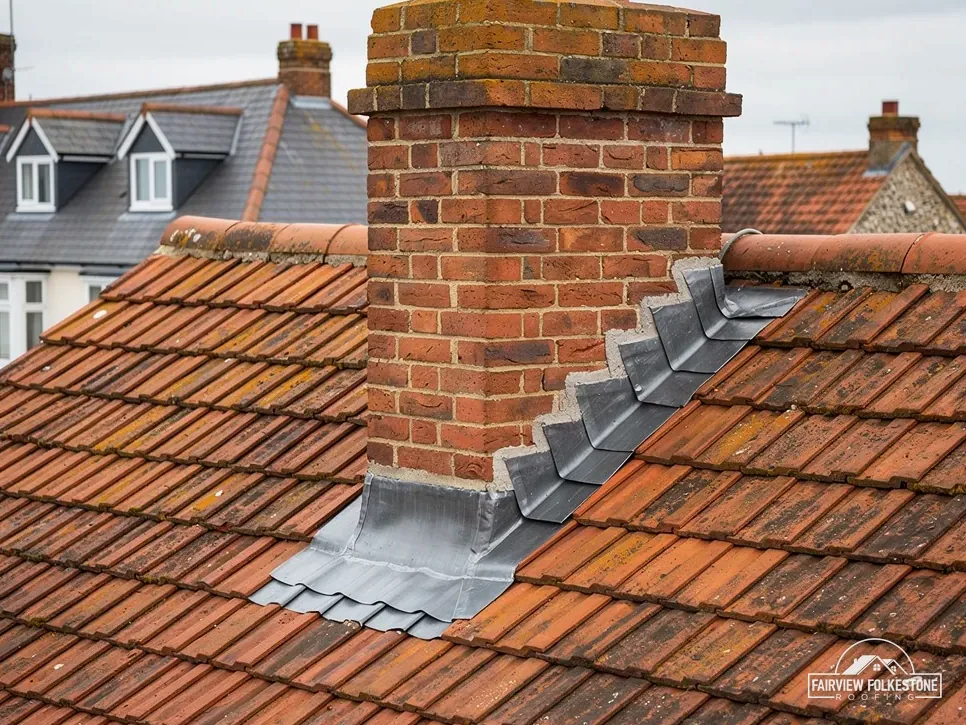
A soaker is a small, pre-bent piece of lead that sits under each course of slates or tiles beside a chimney or a wall and turns up against it. A flashing is the strip of lead that covers the joint where the roof meets that vertical surface. Between them they keep rainwater out of the corner. We have a page on what lead soakers are if you want the detail.
These are the details where Code 3 to Code 5 do their work, and where the choice is closest:
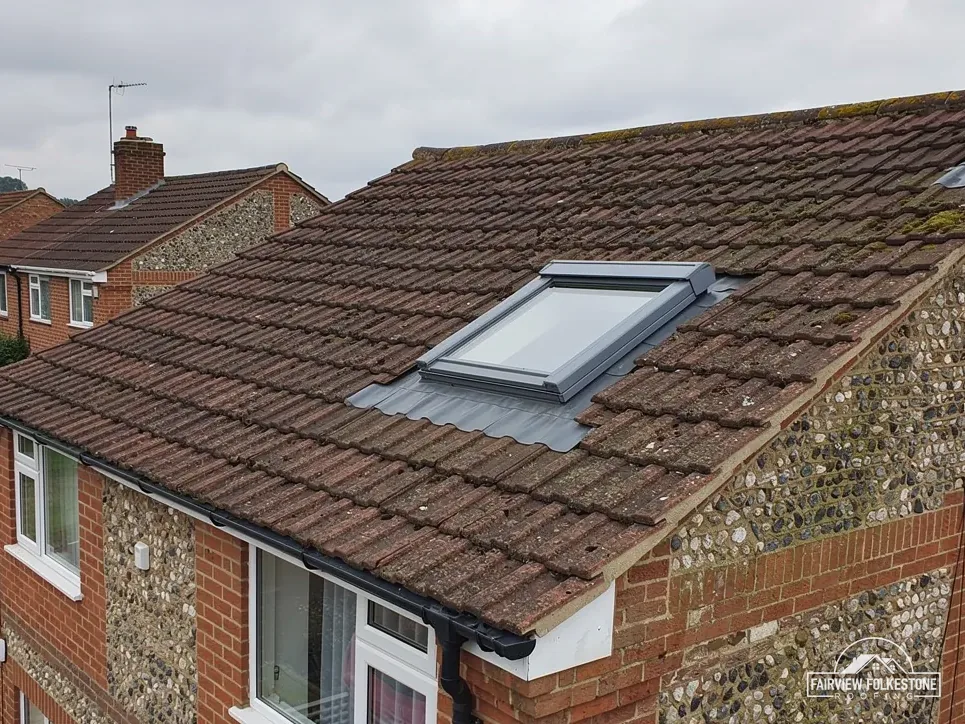
- Soakers can be cut from Code 3 or Code 4, because they sit under the covering and are not walked on or exposed to a flow of water.
- Flashings are listed for Code 4, Code 5 and Code 6, so Code 4 and Code 5 are both defensible on a straightforward house.
- A flashing in an exposed spot, or one that has to be dressed over an awkward profile, may justify the heavier sheet.
A flashing is also where a neighbour can come into it. The Party Wall etc. Act 1996, at section 2(2)(j), gives a building owner the right "to cut into the wall of an adjoining owner's building in order to insert a flashing or other weather-proofing of a wall erected against that wall". That is a right with procedure attached, not a free-for-all, so it is worth a conversation before the scaffold goes up.
04Gutters · Dormers
Gutters and dormers: where the heavier codes earn their keep
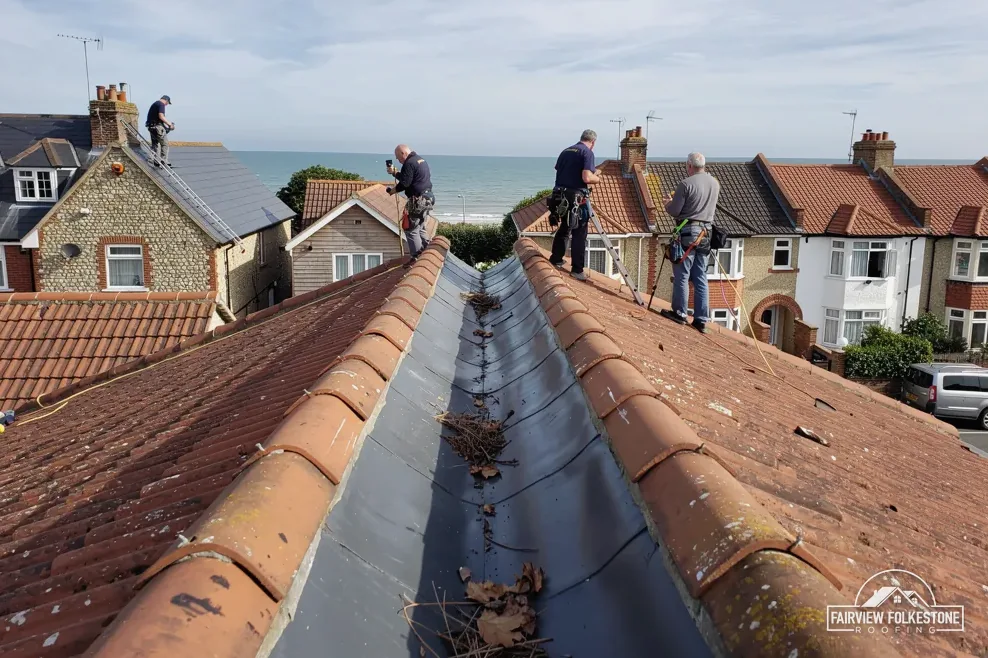
A lead gutter is a different animal from a flashing. A parapet gutter runs behind a low wall at the edge of a roof; a box gutter is a channel sunk between two roof slopes or between a slope and a wall; a tapered valley narrows or deepens along its length. All three take the run-off from a large area and hold it until it drains away, so the lead is under more strain than a flashing ever sees.
That is why the brochure's list for these details starts at Code 5 and runs up through Code 8. Code 7 and Code 8 are listed for gutters and dormers but not for flashings, which tells you the heaviest sheet is reserved for the hardest-working leadwork.
Can Code 3 lead be used for flashings?
Royston Lead's brochure recommends Code 3 for soakers only. Flashings are listed from Code 4 upwards. A roofer proposing Code 3 for a flashing is working outside the manufacturer's own list, so ask for the reason and the data sheet before you agree to it.
On a house, the details you are most likely to meet are:
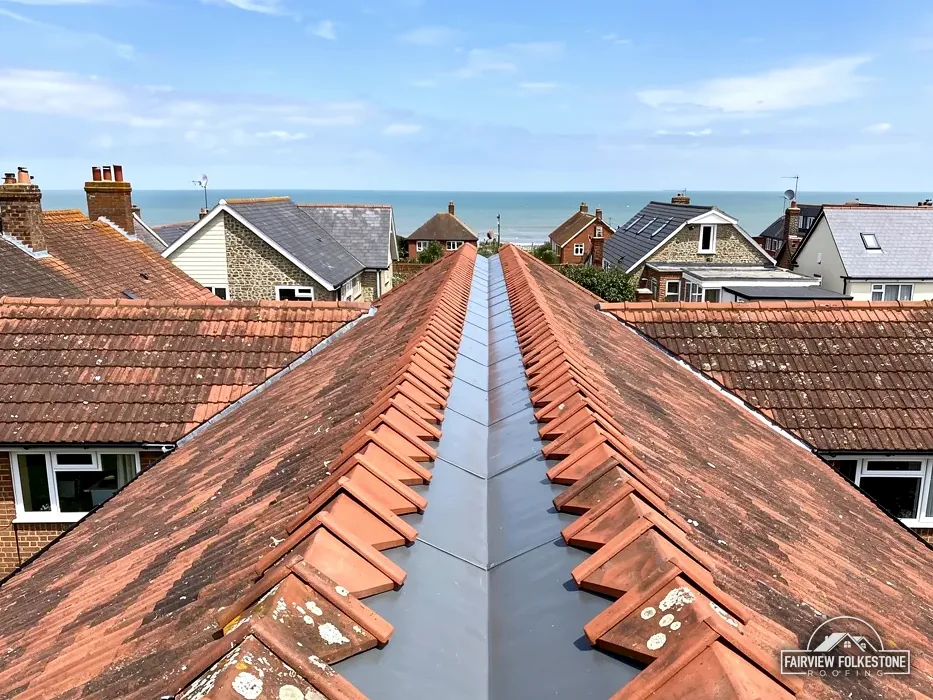
- a pitched valley between two roof slopes, listed for Code 4 up to Code 8;
- the cheeks and flat top of a dormer, listed for Code 4 up to Code 8;
- a parapet or box gutter on a terrace or a bay, listed from Code 5 upwards.
Our pages on lead valley repair show how a failed channel is judged. The code matters less than the fall of the gutter and the quality of the joints, but a gutter cut from too light a sheet starts with a handicap.
Where a gutter has been patched more than once, a survey looks at whether the lead is still thick enough to be worth patching, or whether the whole run needs lifting and relaying in a code that suits the detail.
05Price
Who chooses the code, and what changes the price
Royston Lead's own text says the code for each detail is set in the specification. That makes the code a decision for the person writing the job: the roofer on a repair, or an architect or surveyor on a larger scheme. It should not be a default on the delivery note.
It is also not the only thing that moves the price of leadwork. MyJobQuote reports that a full leadwork replacement costs between £350 and £920, with scaffold the main swing between the two ends, and that a chimney lead flashing patch repair typically costs around £200 while a full replacement averages around £570. Checkatrade gives lead flashing repairs as £50 to £70 per metre. Those are third-party figures, not ours, and a per-metre rate is no use for working out a total without a survey.
For your own quote, expect these things to set the figure:
- how much lead the details need, which the code and the area decide together;
- how many details there are and how awkward they are to reach;
- whether the old sheet is sound enough to keep or has to be stripped;
- scaffold, if the work cannot be reached safely from a ladder or a tower.
We give one written total price after a survey, so the code, the lengths and the access are settled before you see a number.
A heavier code adds to the material bill because the lead is sold by weight, but the labour and the access are often what separate a small repair from a big one, so the code alone never tells you whether a quote is fair.
06Quotes
Questions worth asking before you accept a quote
Lead is long-lived when it is right, which is why a vague quote is such a poor start. MyJobQuote says correctly installed lead flashing can last for over 80 years, and that it can reach over 100 years with higher codes and minimal maintenance. Those are sources' hedges, not promises, and both depend on the word "correctly".
One more distinction saves confusion. BS 6229 deals with flat roofs finished in continuously supported flexible membranes, which means it is not a lead standard. If a quote cites it for leadwork, ask what the lead is actually being specified to.
A good quote lets you check the following without a trade vocabulary:
- Which code is proposed for each detail, written out, not one code for the whole roof.
- Whether any gutter or box is cut from Code 5 or above.
- What happens to the old lead and who pays for removing it.
- Whether the price includes scaffold, and whether VAT is shown.
If you are weighing up a whole job, our lead work page covers what we do, and the answer on how long lead flashing lasts goes further into lifespan.
Ask to see the lead on the survey report as well: a photograph of the existing flashing, with a note of its condition, shows what is being replaced and why.
If the roof has older lead on it already, it is fair to ask whether the new sheet will be the same code or a different one, and why. A change in code is sometimes right, because the original may have been a lighter sheet than the detail deserved, and sometimes it is simply a different supplier's habit. Either way, you should be told before the lead is cut, not after it is fixed.
Does a higher lead code last longer?
MyJobQuote says correctly installed lead flashing can last for over 80 years, and that higher codes can reach over 100 years with minimal maintenance. Neither figure is a promise. Installation, fixings and movement matter as much as thickness, so a heavier code on a poorly made detail settles nothing by itself.

Tell us what's wrong with the roof.
You'll get one written total price.