
Listed building leadwork
What changes for leadwork on a listed building?
On a listed building, lead work that affects its special character needs listed building consent. Below: what that means, which route applies and what to ask first.
The short answer
Lead work needs listed building consent when it would affect the building's character as a place of special interest, and new lead in a different code or design can do that. A listed home keeps its permitted development rights for roof work, but those rights sit beside consent and never replace it. So ask the council before lead is renewed or altered, and before anyone touches it.
5 min read · Part of Lead work
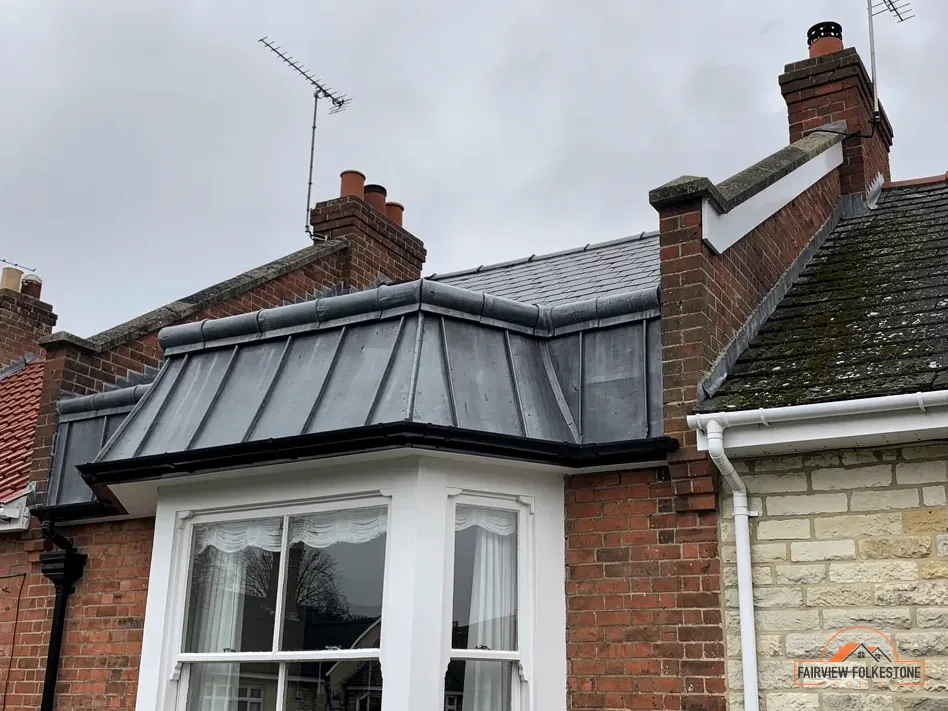
What the law asks of a listed home
Section 7 of the Planning (Listed Buildings and Conservation Areas) Act 1990 bars any works to a listed building that would alter its character as a building of special architectural or historic interest, unless those works are authorised. The Act applies to the whole building, so a roof, a chimney stack and the lead around them all fall inside it. Canterbury City Council states the same idea in plain terms: you need listed building consent for any changes which affect the building's character.
Permitted development is a separate question. The Order, in its Class C, lists any other alteration to the roof of a dwellinghouse as permitted, and a listed house keeps that class. That class does not displace the Act, so one job can be permitted under the Order and still call for consent.
Lead falls under both ideas. Whether a given repair affects character is for the council to decide, and its view counts, not ours or yours. A short call to the conservation or planning team before work begins costs very little against putting work right afterwards. Keep a note of who you spoke to and what they said, and send the roofer the same note, so everyone is working from one understanding.
Which route applies to which building
The consent route depends on the kind of building, and not every old roof belongs to a private house. This table sets out the routes that matter for lead work on a protected building.
| Building | Route |
|---|---|
| Listed house | Listed building consent from the council |
| Church of England church in use | The faculty system |
| Unitarian or Quaker chapel | Listed building consent |
| Redundant church | Listed building consent |
| Scheduled monument | Scheduled monument consent |
Roman Catholic, Methodist and United Reformed buildings in use run their own systems, and a minister's house is not exempt. If you look after a church roof, ask your denomination or the council which route you are on before asking anyone for a price, because the wrong application wastes weeks and the roof stays open to the weather in the meantime. A churchyard cross or other scheduled structure has its own consent too. If lead goes missing from a church roof, the same first steps apply, and the people who look after the building should be told as well as the police.
What changes in how lead is done
On a listed roof the lead is treated as part of the building. The questions are the ones asked on any roof, but the answers are written down and agreed before work starts. Which code of sheet is there now, and what will replace it? Is the lead being mended or renewed? Will it look the same from the street?
- The existing lead is recorded in photos before anything is touched
- The replacement code is chosen to suit the detail and set out in writing
- Where the lead is still sound, a repair is preferred, since that keeps the original metal
- A change of design, such as a different valley or flashing shape, goes to the council first
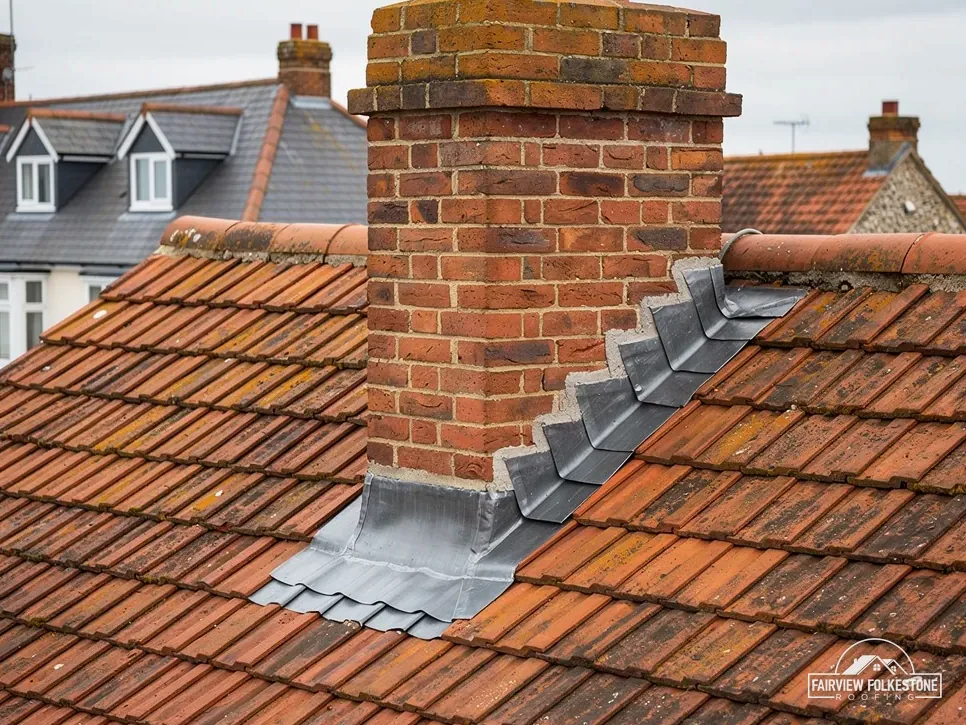
For a flashing, keeping the existing lead is often the simplest route, as our answer on whether lead flashing can be repaired explains. Where lead has been taken by thieves, our page on lead stolen from a roof gives the first steps, and the council on a listed home should hear about it as well.
Conservation areas and what to ask first
A home in a conservation area that is not listed is a different case. Class C alterations to a house roof stay permitted development in such an area, as a rule, while dormers are not, and an Article 4 direction can take away further rights. We check with the council first. Dover District Council publishes a list of its directions, and an Article 4 direction there can cover the roof of a home that faces a road or open space; for Folkestone & Hythe, Canterbury and Ashford addresses, check with the council itself, and at Rye or Camber with Rother District Council.
Before lead work on any listed or protected building, put three questions: is the building listed, which body consents to work on it, and has an application been made already? Our survey records the lead as it stands, with photos, and gives you a written description of the work to show the council. Our lead work page covers each detail, and a quote follows as a single written total. Where we cannot tell from the visit whether consent is needed, we say that plainly and leave the decision to the council. The photos we take at survey also give the council a clear record of the lead before any change.
More questions
Can I repair lead on a listed house without telling the council?
Do not assume so. Consent covers work that changes what makes the building special, and whether a given repair does that is for the council to decide. A short call before work starts settles it, and the answer should be put in writing. Asking first costs a phone call, while putting work right afterwards costs a good deal more.
Does a listed building keep its permitted development rights?
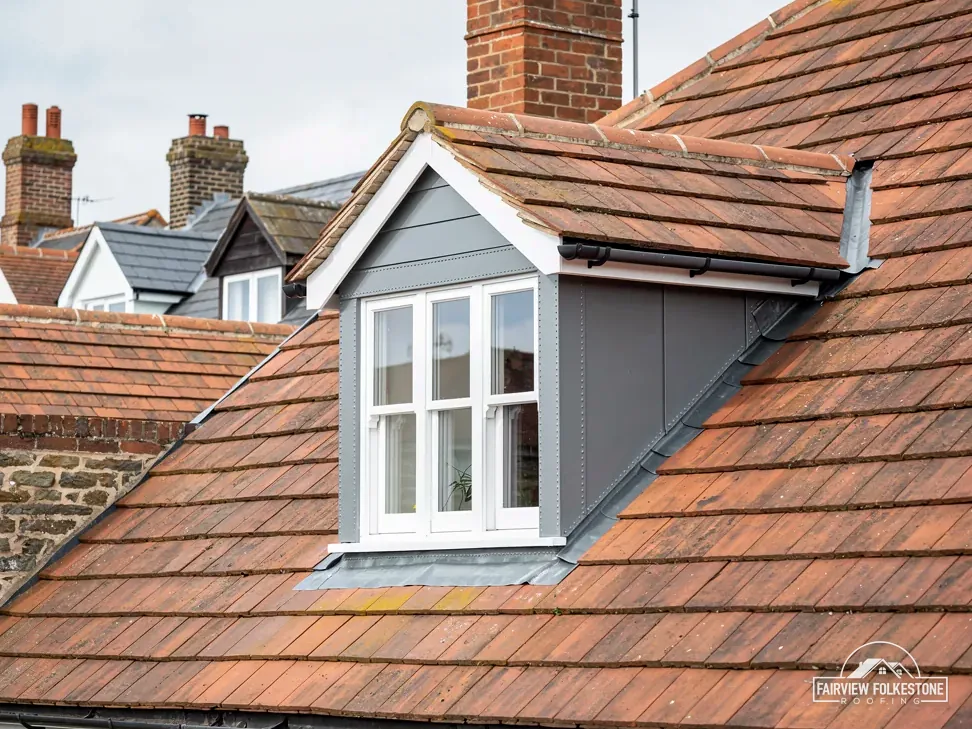
Yes, for roof work: a listed home keeps Classes B and C, but listed building consent is needed as well for anything that affects its character. Dormers are another matter in a conservation area, where they are not permitted development, so check which rules apply to your address before planning anything.

Tell us what's wrong with the roof.
You'll get one written total price.