
Patination oil
Why is patination oil put on new lead?
Patination oil is a finish for new lead that helps it weather evenly. Below: what it does, what it cannot do and what to ask your roofer.
The short answer
Patination oil is put on new lead to help it weather evenly while the bright metal turns to its dull grey finish. New lead can streak and leave pale marks on the slates, tiles or masonry below it before that finish settles. The oil is a surface treatment that deals with how the lead looks in its first months. It is not what keeps the weather out, because that job belongs to the lead and how it is fixed.
5 min read · Part of Lead work
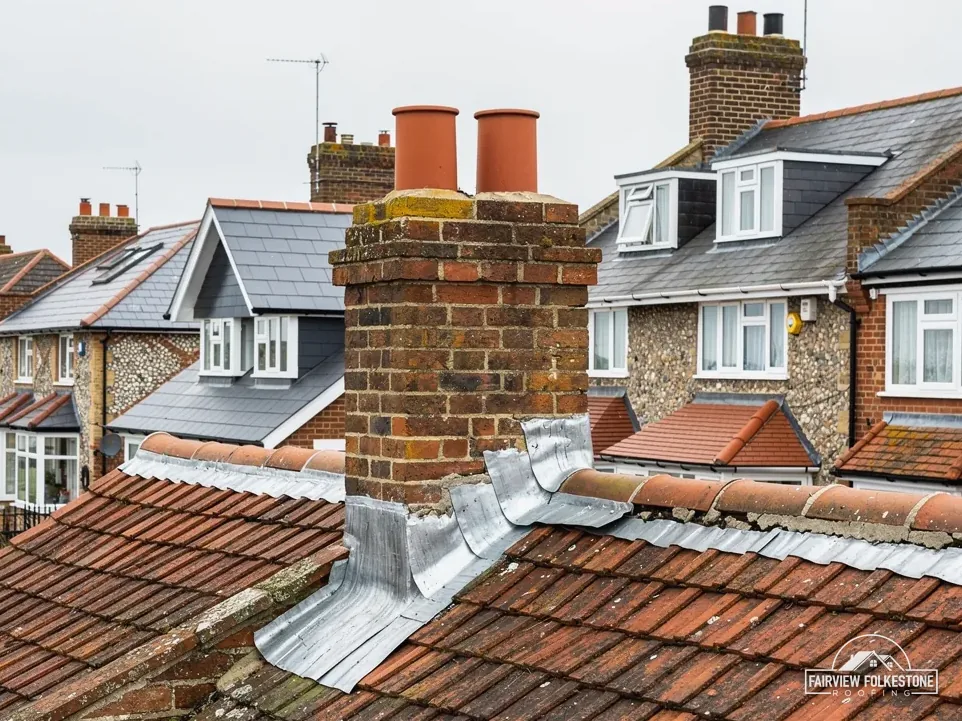
What new lead does in the open air
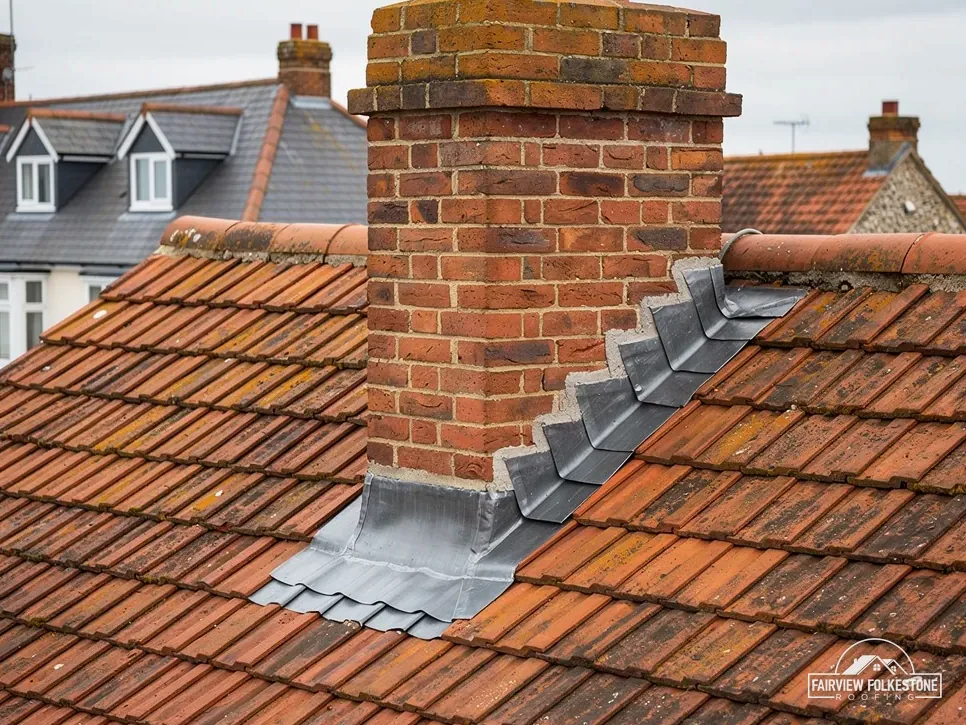
Fresh lead is bright and silvery. Once it is on a roof, rain and air work on the surface and it turns to the dull grey you will recognise from old church roofs and old flashings. That grey layer is the patina, and it is how lead looks once it has weathered. It is not a sign the metal has worn out, and a roofer who tells you grey lead needs replacing on that evidence alone is not looking at the right thing.
In the weeks between fitting and that settled grey, the surface is changing, and the change is not always even. Rain can wash a pale residue off new lead and carry it down over whatever is below, which on a stone sill, a brick face or a slate slope shows as streaks. The look of new lead on an old house can also be bright enough to stand out against the roof around it. Both of these are questions of appearance, and patination oil is aimed at them. The streaks can be stubborn once they have dried on porous stone, which is why the finish is applied early, while the lead is new.
What the oil is for
The oil is brushed or wiped onto the clean, dry surface of newly fitted lead. Its purpose is to help the lead take on an even, dull finish as it weathers, and to limit the streaking that new lead can leave on surfaces below it. Makers publish the products with their own instructions, and the specification for the job should name the one used. Follow the instructions from the maker on the day, and ask the roofer to show you the product and its data sheet.
- It evens out how new lead looks as it weathers
- It limits pale streaks running down onto slates, tiles and brick
- It helps new lead sit alongside old lead on the same roof
- It is put on after the lead is fitted, not before
- It is a finish, so it does not change the lead code or thickness
The finish matters most where new lead meets stone, brickwork or old slates that you want to keep clean, and on a listed or period roof where appearance is part of the job. Our answer on leadwork on listed buildings covers the consent side of that.
What patination oil cannot do
It does not make a bad flashing good. A flashing that is fixed so rigidly that it splits as it warms and cools will still split with a coat of oil on it, and thin sheet in the wrong place stays thin. The thing that keeps rain out is the lead, its code, and the way it is dressed and held.
Correctly installed lead flashing can last for over 80 years, according to MyJobQuote, and that figure is about the lead and the fitting, not about any finish. So treat the oil as a finishing step in a good job, not as a reason to spend more on one. Our answer on how long lead flashing lasts goes through what really decides it. The same goes for a roof stripped of lead by thieves: new lead there can be oiled, but the work that matters is the code and the fixing. A neat finish on lead that is held too tightly will still crack, and the oil will not hold it together. It also will not fix a flashing that is too thin for its place, or a joint that has crumbled behind it.
What to ask your roofer
You do not need to know the chemistry. You do need the oil, if used, to be a deliberate part of the specification and not an afterthought that appears on the invoice. Put these questions to anyone quoting for new lead:
- Will the new lead be patinated, and with which product?
- Is it part of the quoted price, or an extra?
- Who applies it, and when, after the lead is fitted?
- What do the maker's instructions say about weather on the day?
When new lead is going on, we put the finish in the written survey, so there is no surprise at the end and no extra on the bill that you did not expect. Where new lead sits beside old, we talk through how the two will compare after a season or two in the weather, and agree it before the work starts. See the lead work page for the details we cover, and our lead codes explained post for what the numbers on a roll mean. Your quote is one written total price.
More questions
Does lead fail if it is left without patination oil?
No. Lead weathers to its grey finish whether or not it is oiled, and the oil is not what keeps rain out. It is there for appearance and to limit early streaking. Whether to use it is a decision about how the roof looks in its first months, to be made with your roofer.
Can old lead be patinated too?
It is not usually needed. Old lead has already weathered to its grey patina, and chalky grey on its own is not a fault. A roofer may treat new patches so that they blend in beside older lead. If you want a particular look, say so at the survey so the finish is agreed beforehand.

Tell us what's wrong with the roof.
You'll get one written total price.