
Hamstreet · 16.7 road miles west
Roofers in Hamstreet
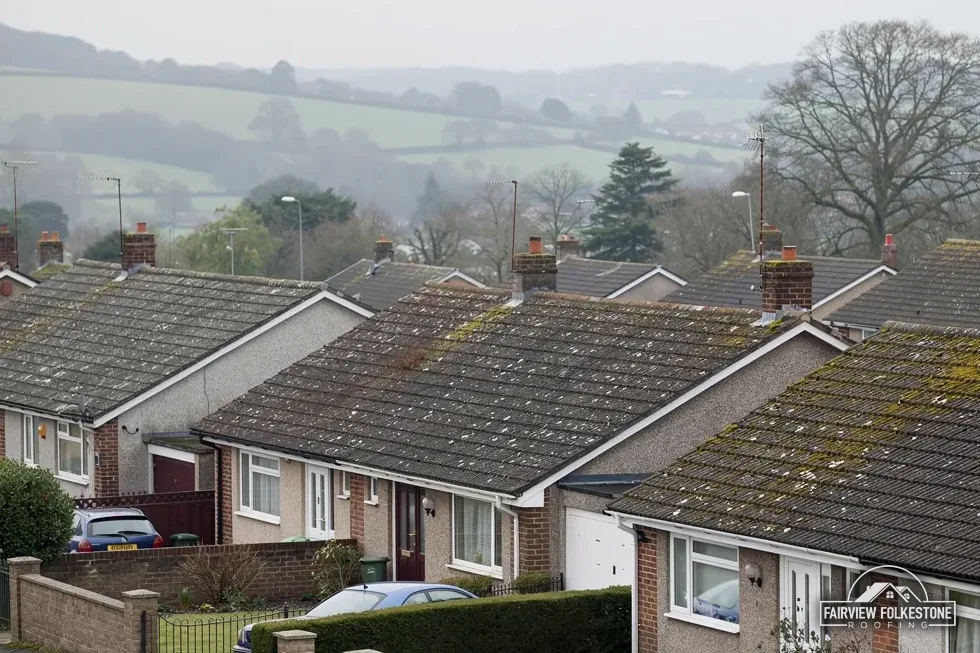
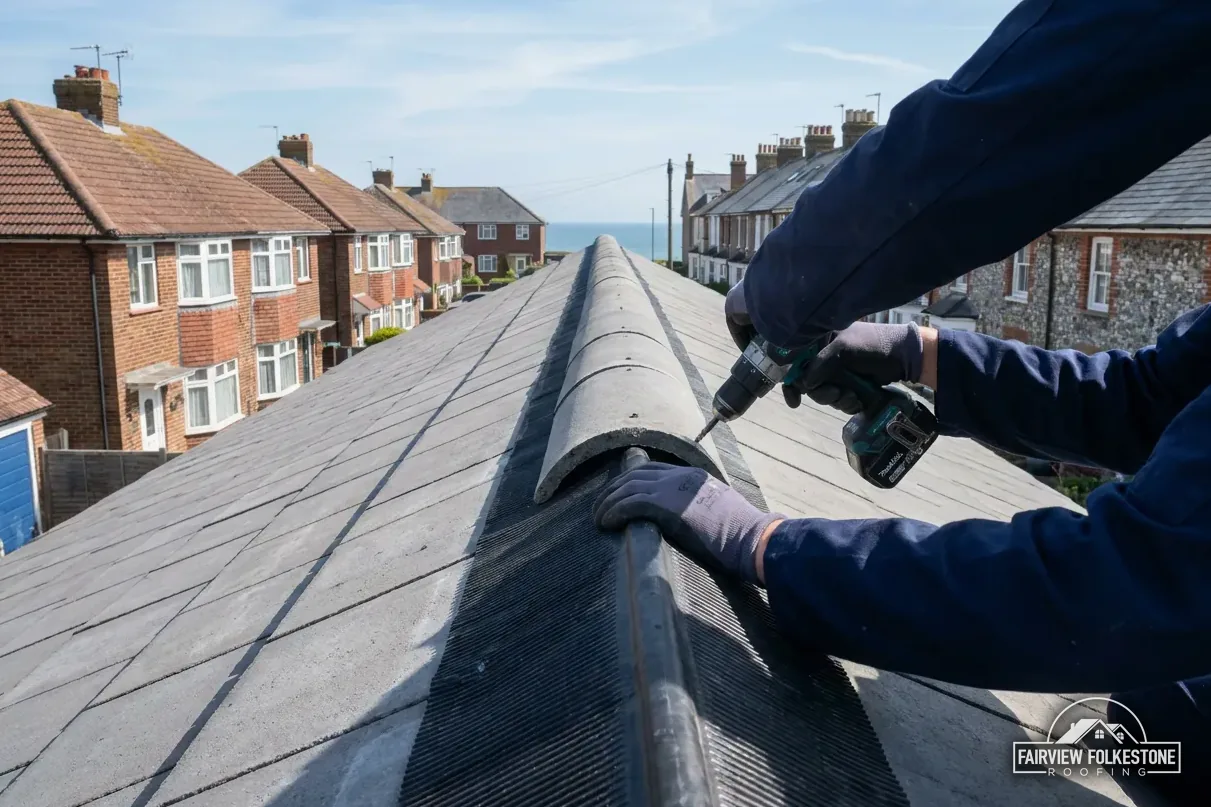
A village in Orlestone parish with a conservation area of its own and Grade II listings at Old Eastside and Fairlawn. A roof here gets a survey that reads its age and its faults, then a written verdict on whether it wants mending, re-covering or leaving alone.
- Hamstreet's conservation area
- Designated, and part of the 43 that Ashford Borough Council lists across the borough
- Grade II listings
- Old Eastside, Fairlawn and a further listing at entry 1299876
- Article 4 near the village
- Ashford Borough Council answers for any single address
- Permit for scaffold
- Kent County Council, £52 per week for 2026 to 2027
- Flood map zone
- Zone 2 and Zone 3 land lie within a short distance of the centre
What three Hamstreet roofs were owed
What we found
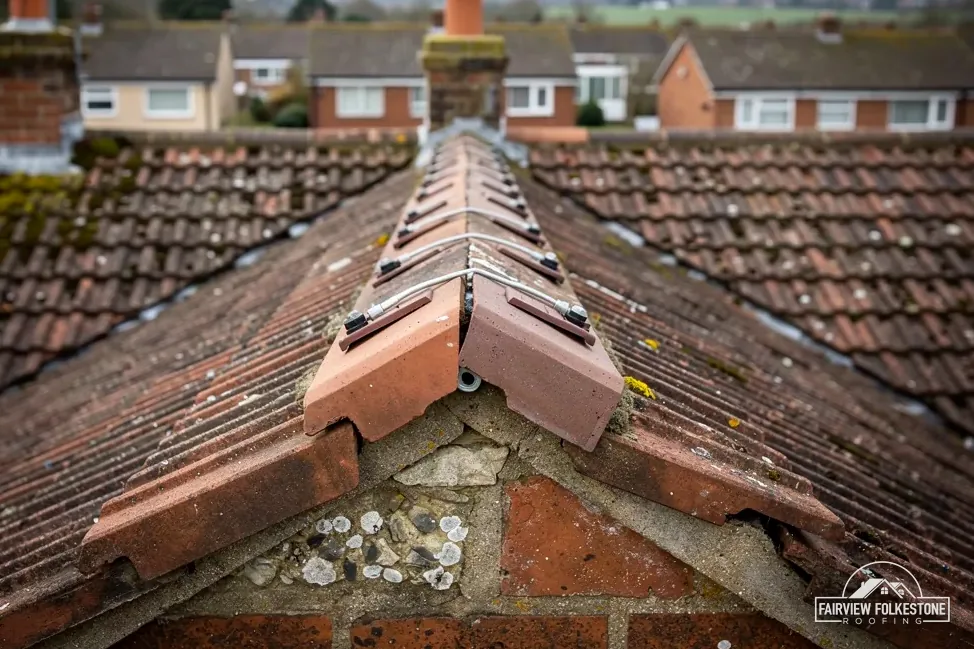
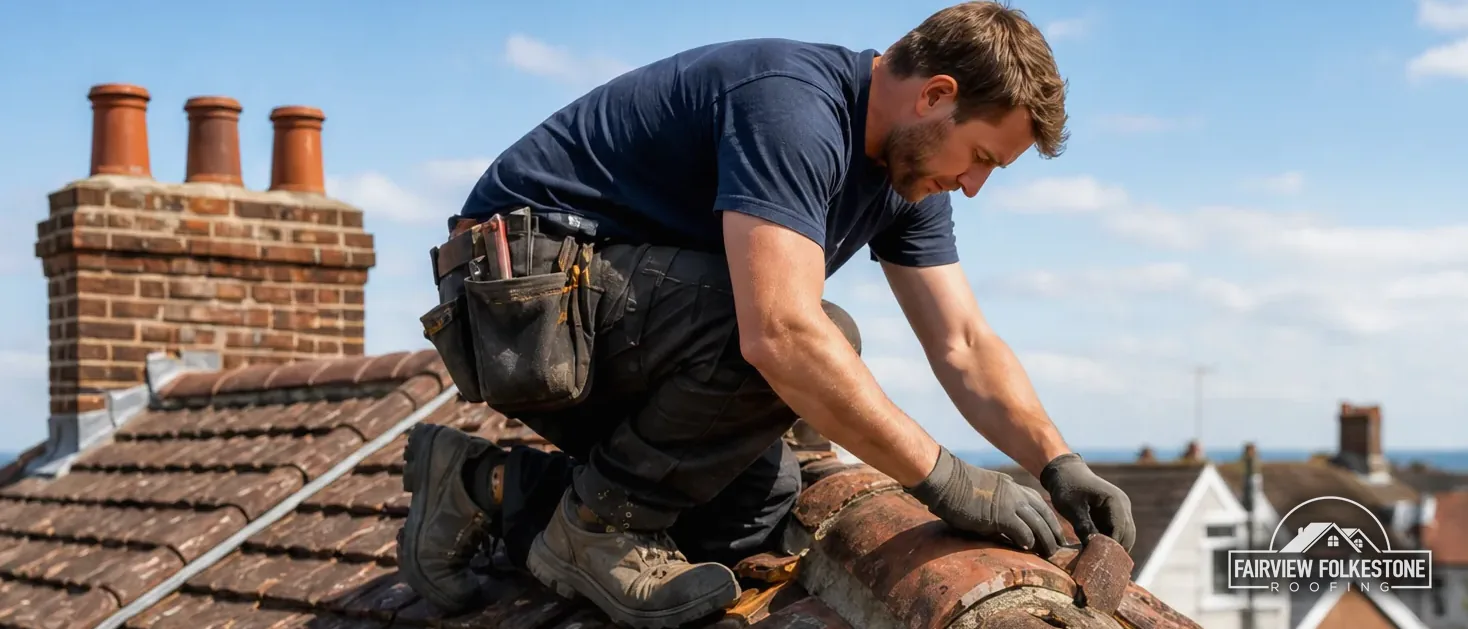
Ridge tiles loose, mortar washing out
What it fairly needs
Rebed the run on proper fixings.
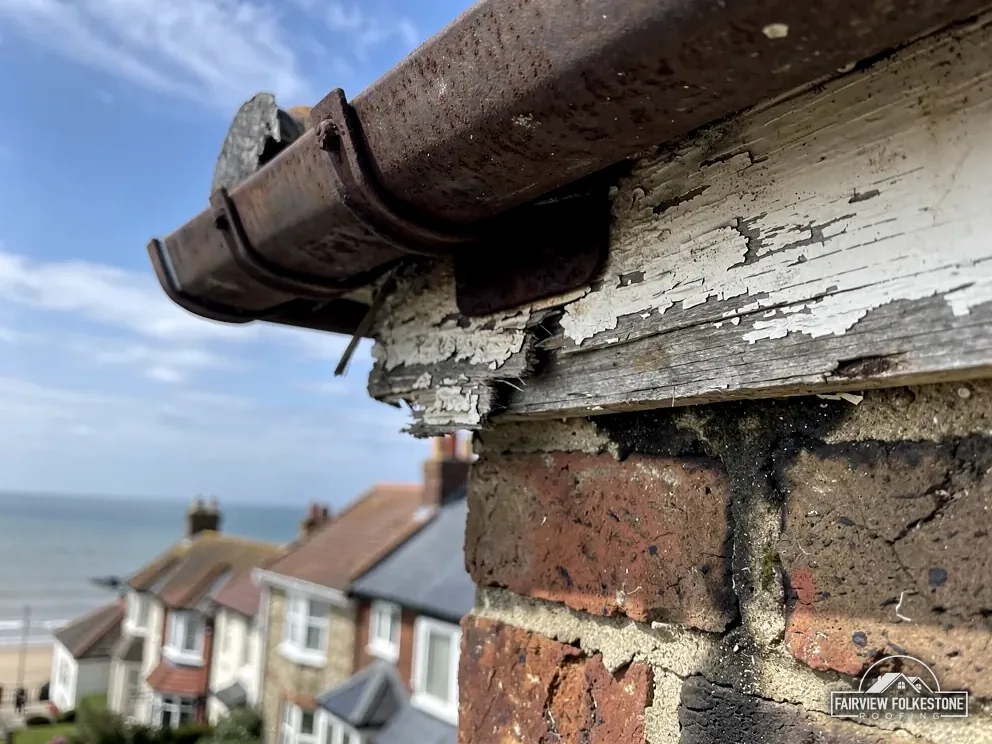
What we found
Grade II house with failing eaves
What it fairly needs
Ask Ashford before any price.
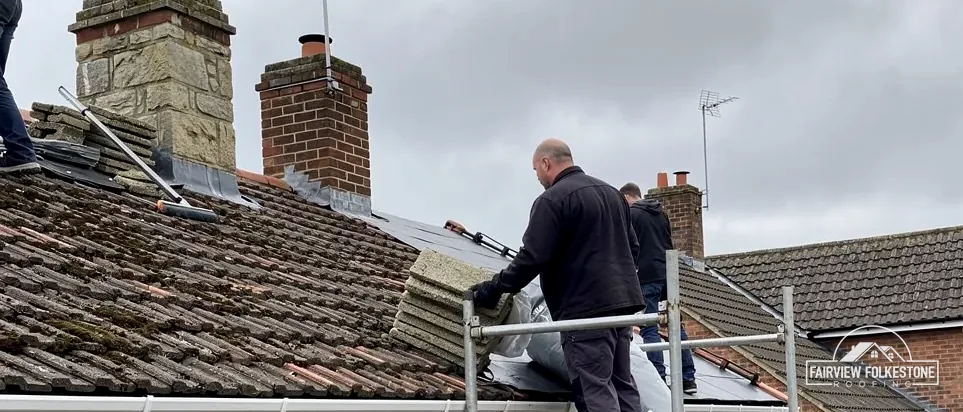
What we found
Tiles crumbling across the whole slope
What it fairly needs
New covering on fresh battens.
The fair ledger
Hamstreet's conservation area, its listed houses and a covering's age
Hamstreet has a designated conservation area and several Grade II listings, and any roof has an age. The three entries below weigh each of those and give the stamped verdict a Hamstreet homeowner is owed.
Entry 01Conservation area
Hamstreet's conservation area and where Article 4 might apply
Hamstreet's conservation area is designated, and Ashford Borough Council holds the map and the list. Both are worth consulting before a covering is ordered.
What a conservation area wants from a roof
Ashford Borough Council reports 43 conservation areas in the borough, and Hamstreet's is one of them. Being inside one does not stop a house being re-covered. Re-tiling or re-slating a dwelling is normally permitted development, and the rules for dormers sit in our planning guide for roof work. The designation matters because it adds a second look at what you choose to put on the roof, and because of Article 4. Think of it as a question about appearance: the council has an interest in what a street looks like, and a roof is a large part of that.
An Article 4 direction withdraws specified permitted development rights across a defined area. Whether any applies to a Hamstreet address is a question for Ashford Borough Council, and the council is the one to ask before you buy materials. We put the address to the council ahead of the written quote and include its reply in the findings you are given.
Can I use a different tile in Hamstreet's conservation area?
It is for Ashford Borough Council to say. Changing the material can be treated as a change in the look of the house, so we ask before ordering anything and keep the answer in writing. Re-laying the same covering, in the same colour, is the straightforward case, and where sound material can be reused we reuse it.
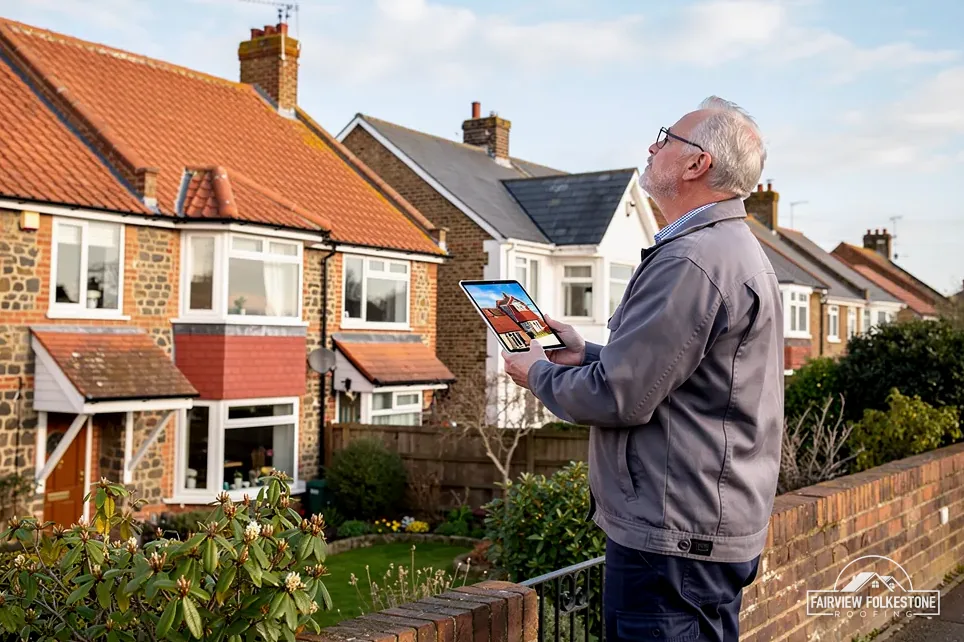
Questions we put to the council
- Does your house stand inside the boundary on the council's map?
- Is an Article 4 direction in force at your address?
- Is the planned covering the same in kind and colour as the one it replaces?
- Would a nearby listed house change what is acceptable on yours?
Nothing here delays an urgent repair to stop a leak. A temporary fix to keep water out is a separate matter from a new covering, so the leak is dealt with at once while the longer question goes to the council. The photographs taken during the survey serve both purposes, and they save a second visit.
Same tiles, battens still sound
Re-lay as found
Different material in mind
Council view first
Tiles flaking across the slope
Take off, lay afresh
Entry 02Listed houses
Old Eastside, Fairlawn and Hamstreet's other Grade II entry
Old Eastside and Fairlawn are listed Grade II, as is a further entry, 1299876. Work on a listed roof begins with a conversation with the council.
Listed consent on top of permitted rights
Old Eastside has list entry 1184950, and the listing dates from 10 August 1988. A further Grade II listing is recorded at entry 1299876, and Fairlawn is entry 1071201. A listed house keeps its permitted development rights for roof work, yet a separate consent for listed buildings governs any change to its character, and the law behind that is section 7 of the 1990 Act on listed buildings and conservation areas.
In practice a repair and a replacement are judged differently. Refixing a few slipped tiles in the same material changes nothing a visitor would notice. Stripping a roof and re-covering it in another material changes the character of the house. We therefore start with the smallest sound repair, and where more is proposed, Ashford Borough Council is asked first.
Myth: A listed house cannot be touched without a full application.
Fact: A listed house keeps its permitted development rights for roofs, and a separate consent applies to anything that changes its character.
Grade II
the listing of Old Eastside, Historic England entry 1184950
first listed in 1988
What goes to the council
For a listed roof, the findings we write are the council's starting point. They carry dated photographs of the covering and the eaves, a note of every fault, and a plain account of what is proposed. Giving the officer the list entry number, such as 1184950, brings the right file up at once. If your house is not listed but stands beside one, we mention the neighbour too, since the setting of a listed building can matter to the council when the roof is a prominent one.
None of this is meant to put you off a sound roof job. It is meant to keep the order of events right, with the council's view in hand before materials are ordered or a scaffold goes up. A reply from the council can take time to arrive, so the earlier the question is asked, the less the job is held up. We can also tell you at survey stage whether a repair alone would be enough, which is a much simpler thing for the council to agree to than a full re-cover.
How long coverings are said to last
HomeBuilding gives approximate lifespans of 100+ years for Welsh slate, 60 to 80 years for clay tiles and 40 to 50 years for plain concrete tiles. Those are ranges, never promises, and a covering that was fitted well and kept clear of moss can outlast its range while a poorly fixed one falls short. For that reason we look at the condition of the roof itself, whatever age its owner remembers it being. If you do not know when it was laid, the battens, the nails and the underlay in the loft give a good idea.
Moss is a related matter. A little on a sound roof is cosmetic, while a thick mat that holds water against the surface can speed up wear, and our roof cleaning and moss removal page covers when cleaning helps and when it only hides a tired covering.
What tips a verdict is the extent of the damage. A handful of slipped or cracked pieces on sound battens is a repair. Widespread flaking, tiles that crumble when lifted, or battens that have gone soft point to replacement. Our slate roofing service and our roof replacement service describe both routes, and the written price covers either as one total.
Entry 03Age of the covering
Old coverings: when repair stops being the honest answer
Every covering has an age, and there comes a point where patching it costs more than the repair is worth. The survey looks for that point instead of assuming it.
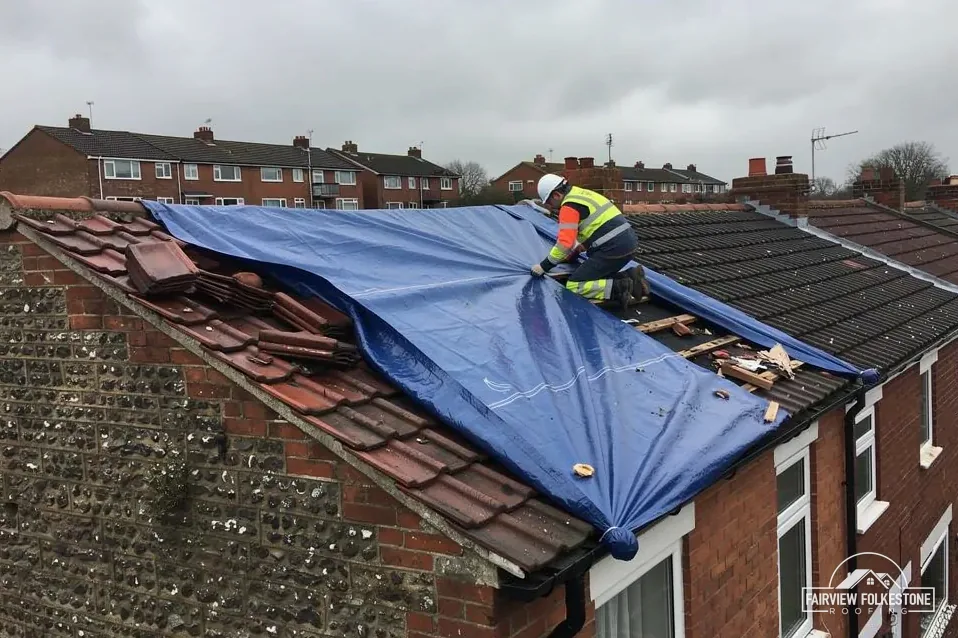
What sets the price
- How many pieces have failed
- Whether the battens are sound
- Height and reach of the roof
- How much old covering can be reused
One written total price
- Slate that has slipped
- Batten it hangs from
- Clip holding it in place
Signs that tip a verdict
- Pieces that flake or crumble when lifted, not just crack.
- Battens that give under a screwdriver or show dark staining.
- Daylight visible through the roof from inside the loft.
- Moss thick enough to hold water against the surface.
- Repairs already made in several places along one slope.
Any one of these can be put right. A run of them along the same slope is a sign that the covering as a whole is nearing the end of its working life.
Reaching Hamstreet from Folkestone
Hamstreet is west of Folkestone, 16.7 road miles and about 24 minutes away by road, so a survey visit fits easily into a working day. It lies in Orlestone parish, which had 1,649 usual residents at the 2021 Census, a total for the parish and never for Hamstreet alone. Photographs sent with the form below get things moving, and a survey is arranged for a time that suits you. Nothing is priced until the roof has been looked at, because only a survey shows whether the answer is a small repair or a larger job.
Hamstreet roof questions
How can I tell whether my Hamstreet roof covering is worn out?
HomeBuilding gives approximate lifespans of 100+ years for Welsh slate, 60 to 80 years for clay tiles and 40 to 50 years for plain concrete tiles, and none of them is a promise. Age is a starting point, never the verdict. We look for flaking, cracked pieces, soft battens and daylight in the loft, then state in writing whether patching will last or the covering needs replacing. The same visit records how much old covering is sound enough to keep.
Does Hamstreet's conservation area limit what goes on my roof?
Re-laying tiles or slates on a house is normally permitted development, though Article 4 directions can remove further rights, so put that question to Ashford Borough Council. The council also decides what a change of material means for the look of the area. We send your address to the council before quoting, then pass its reply to you with the survey findings.
Does flood-zone land near Hamstreet alter a roofing job?
The Environment Agency's flood map marks both Flood Zone 2 and Flood Zone 3 land close to Hamstreet, though not at the village's mapped centre. The zone relates to the ground. It sets no roofing rule, and the survey does not change because of it. A flood zone is still a good reason to keep gutters, downpipes and drains clear, so we follow the path of the rainwater off the roof, down the pipes and into the drain, and note any blockage or broken joint on the way.
Does re-covering a Hamstreet roof need Building Regulations approval?
The Planning Portal's guide treats work as needing no application, normally, when less than 25 per cent of the building envelope is affected and less than 50 per cent of the roof is affected. If the new covering is 15 per cent or more heavier, approval is required, which is why we weigh up the new material during the survey and bring in a structural check where it is called for. For a firm answer on your own house, ask Ashford Borough Council's Building Control team on 01233 330282.
Who deals with the scaffold permit on a Hamstreet job?
We arrange it with our scaffolder. Kent County Council's permit is £52 per week in 2026 to 2027, and its line is that the skip or scaffolding company should submit the application for you. Within your own boundary no highway permit is involved at all. Survey day tells us which case you are in, and our single price carries the scaffold either way.
Roof worries in Hamstreet? Send us photos.
You'll get one written total price.